Flipfeed
Know the facts and drama when reading about the Olympics with Flipfeed
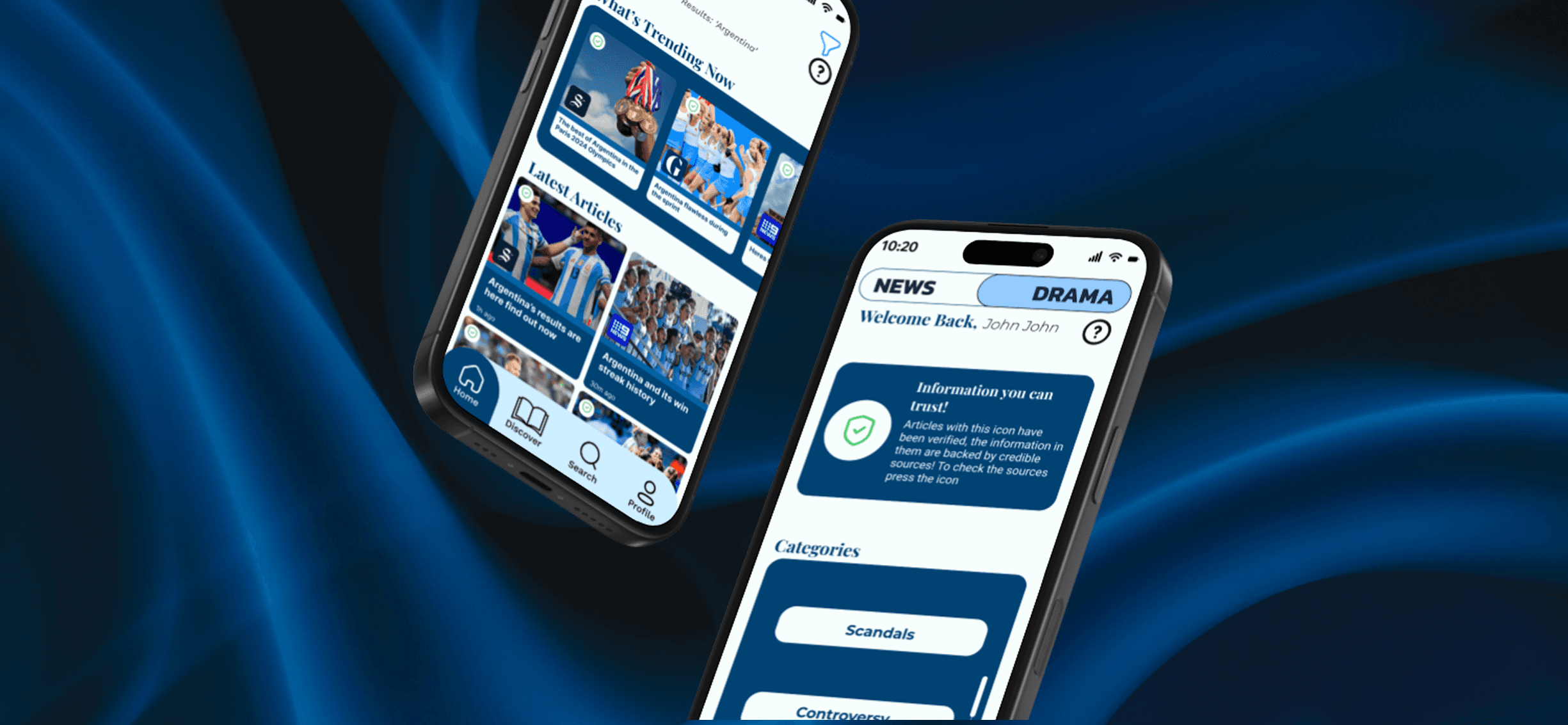
Project Overview


Industry
Mobile App
Location
Sydney
Project
Mobile App Design
Score
D
Challenge
Solution
Result
What I Learned
So Where Did We Start?
The aim of this project was to create a digital design solution for a chosen problem scenario that aligns with the Lifestyle, Leisure & Entertainment of the 2024 Paris OIympic Games.
Now that the basis of what we are going to be designing for, what did we want to actually focus on?
Discovery 💭
With the 2024 Olympics underway in Paris, it became a hot topic for many people across the globe to watch and keep up to date with, however in what context and topics in particular is discussed when referring to the Olympics? With many headlines showcasing scandals, sensationalism and dramatisation, we found that media itself to be the common denominator across all forms of material to be the main driving force in influencing the portrayal and interpretation of athletes and audiences.
To begin our research, we decided that the topic we wanted to explore further into:
The impact of unethical journalism on the portrayal of Olympic topics and athletes and its effect on the athletes themselves and their audiences
Primary Research
Primary research was utilised to gain unique and personal insights from our targeted audience which allowed us to further our understanding off what was provided by with academic sources.
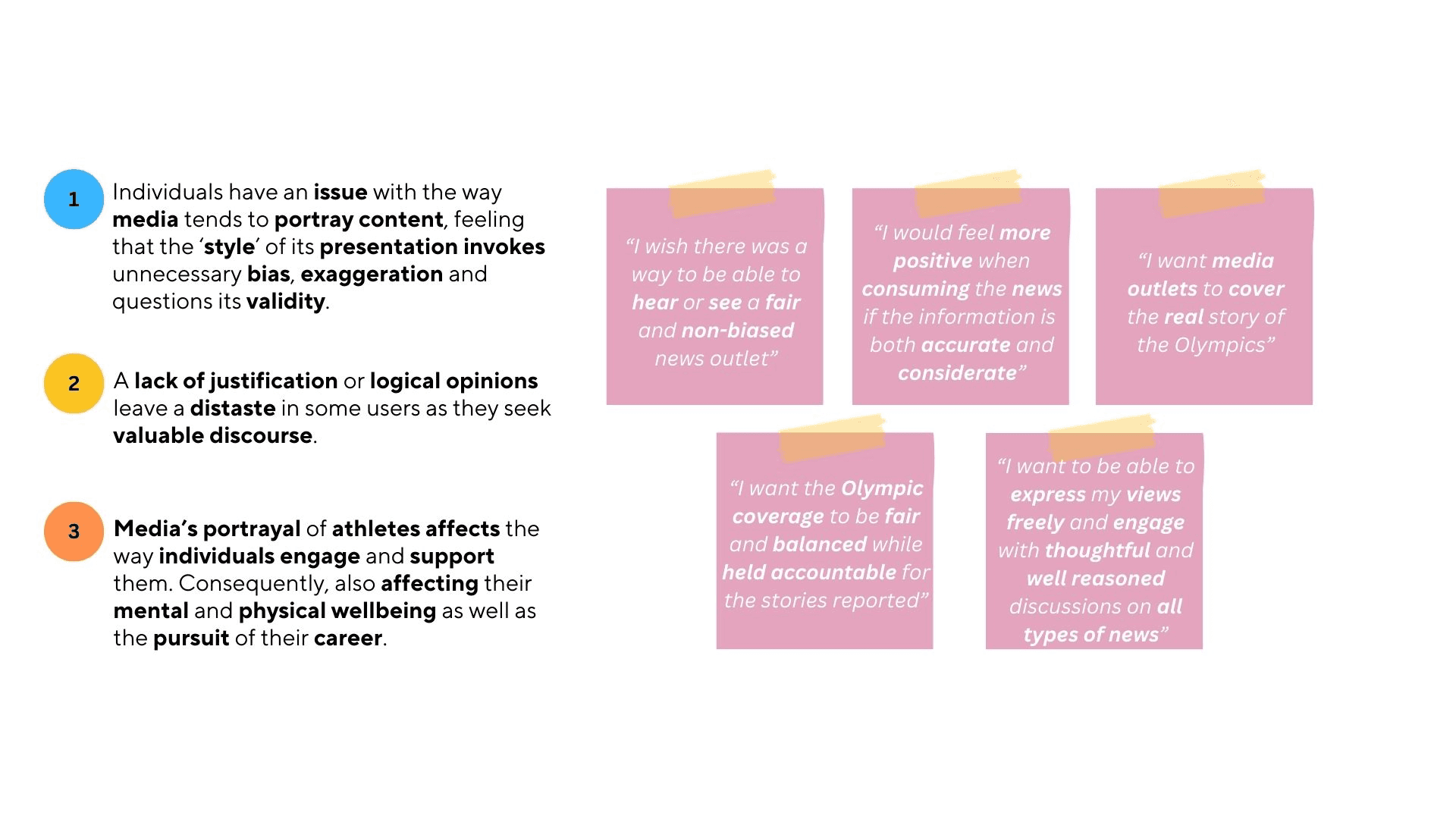
Final Design Statement
The impact of unethical journalism on the portrayal of Olympic topics and athletes, affecting its influence on the audience’s perception.
Ideation
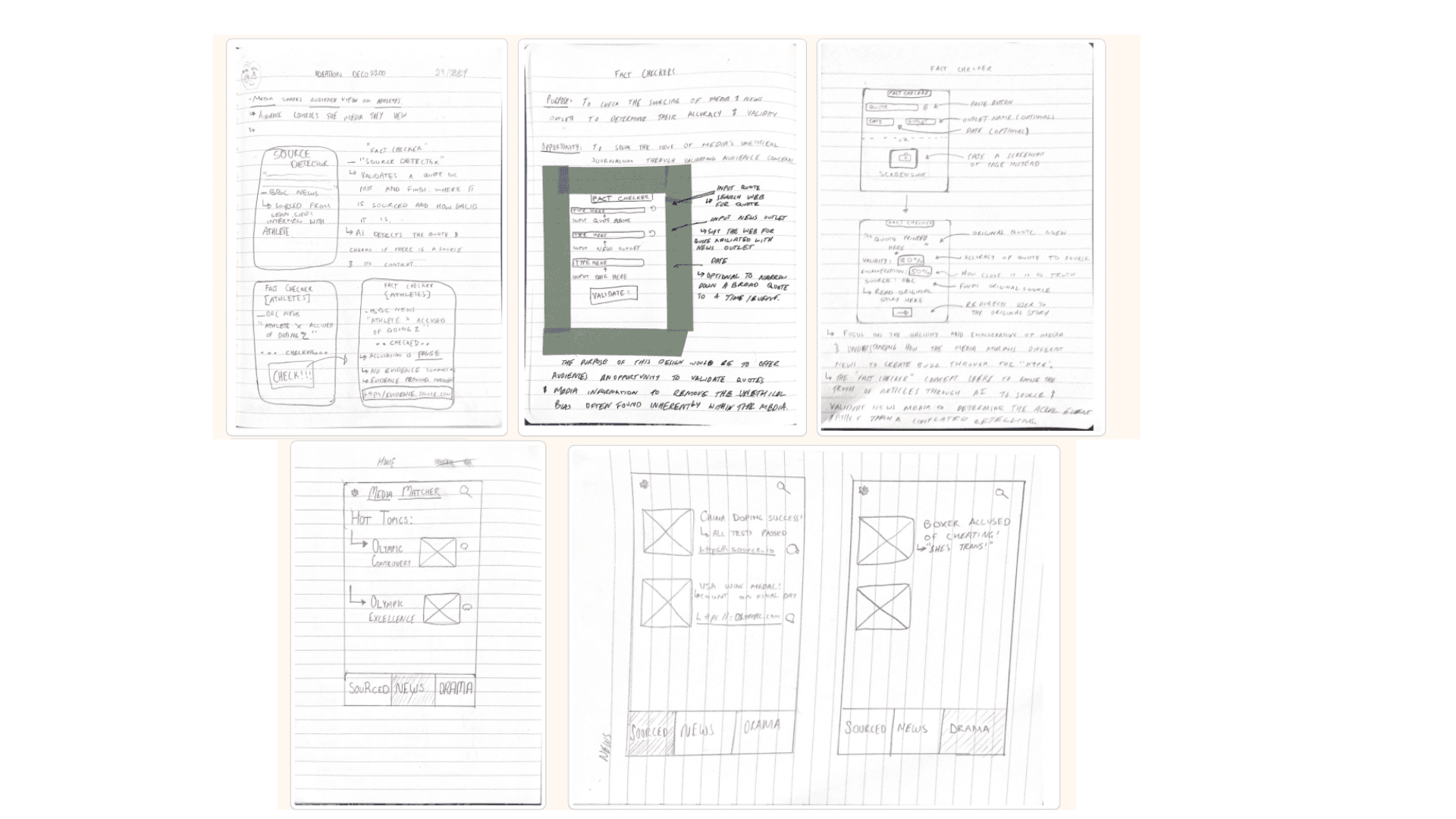
To kick off our ideation phase, we utilised a combination of crazy 8s and storyboarding to start with basic solutions.
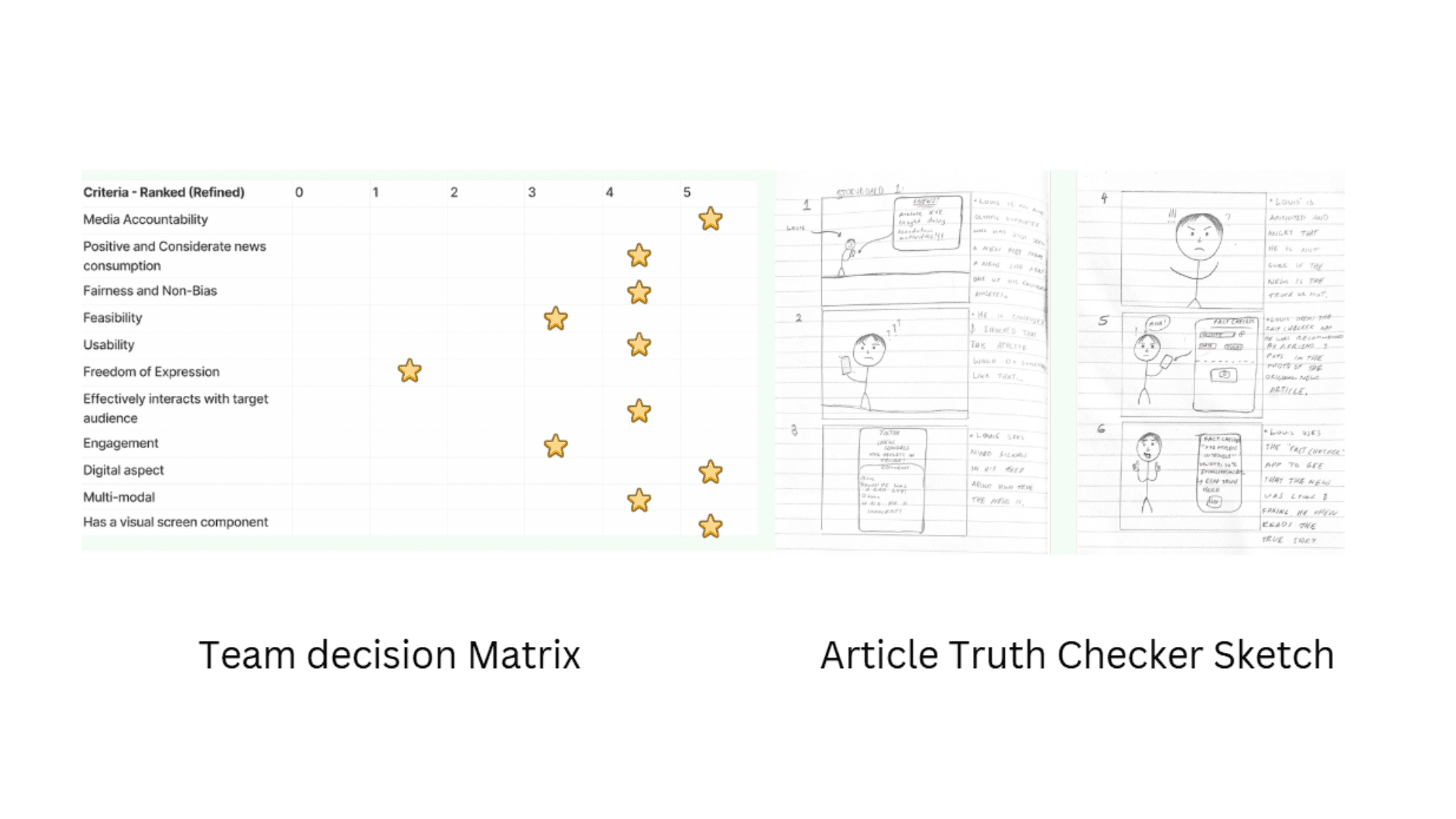
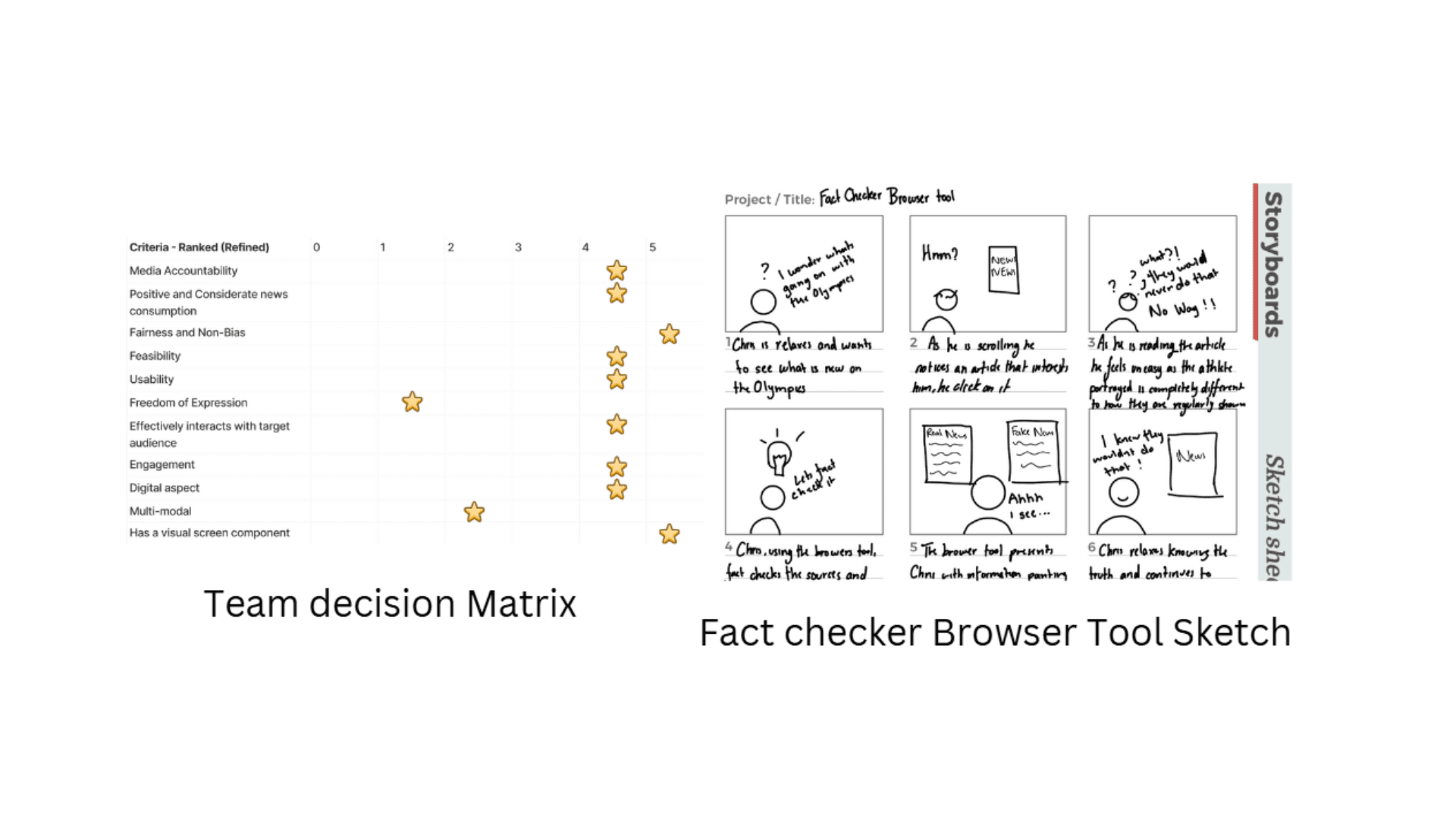
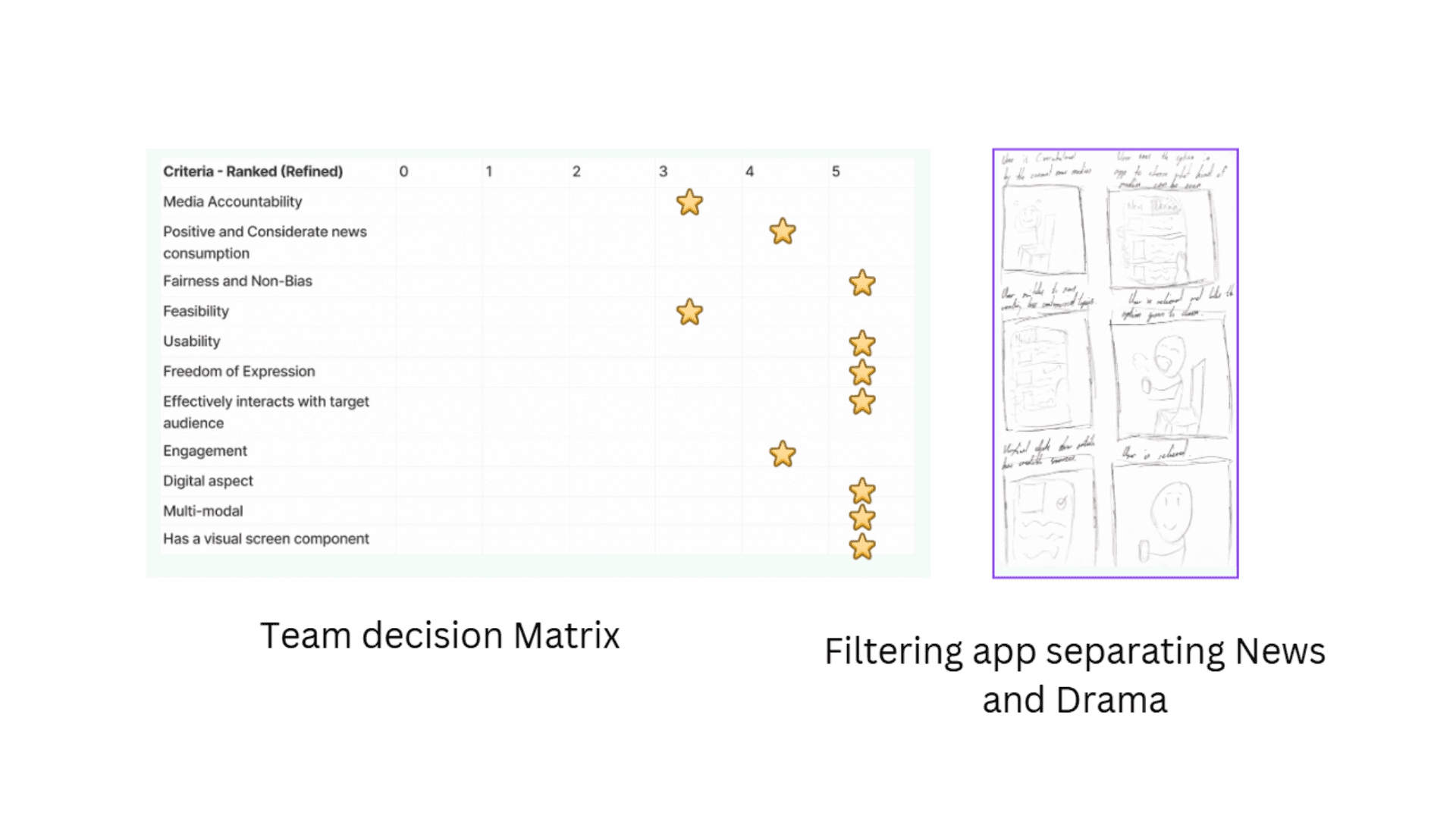
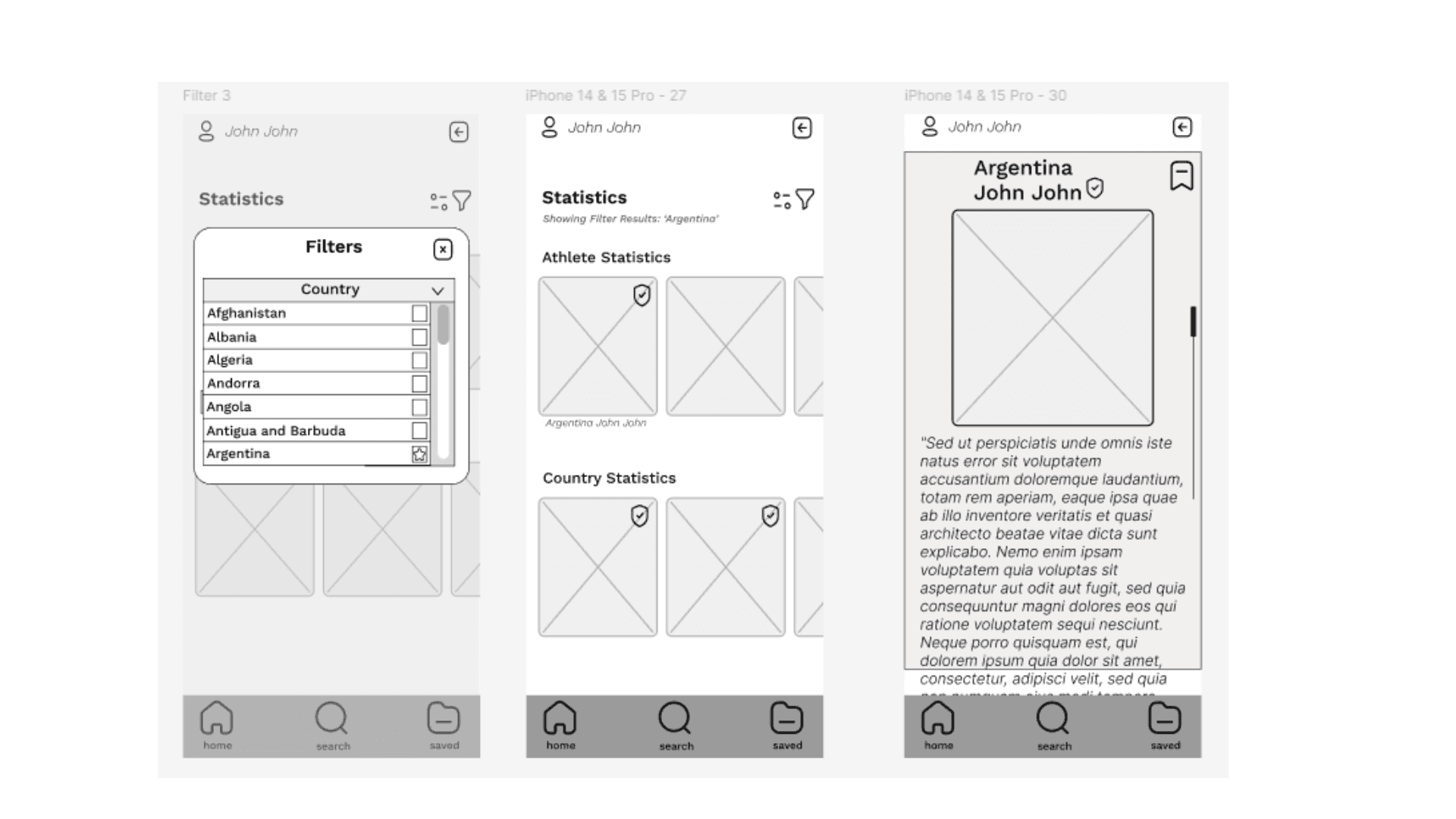
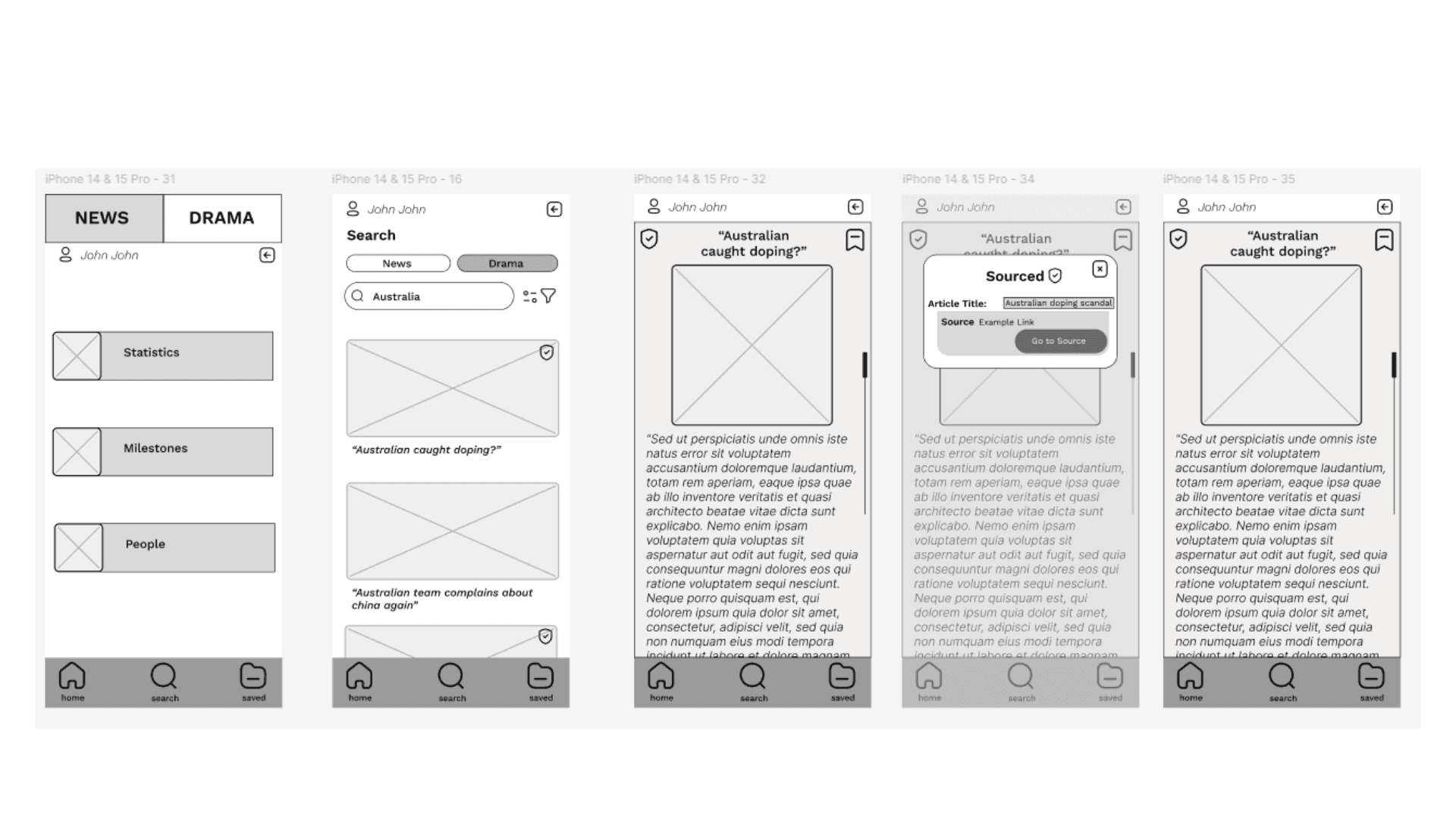
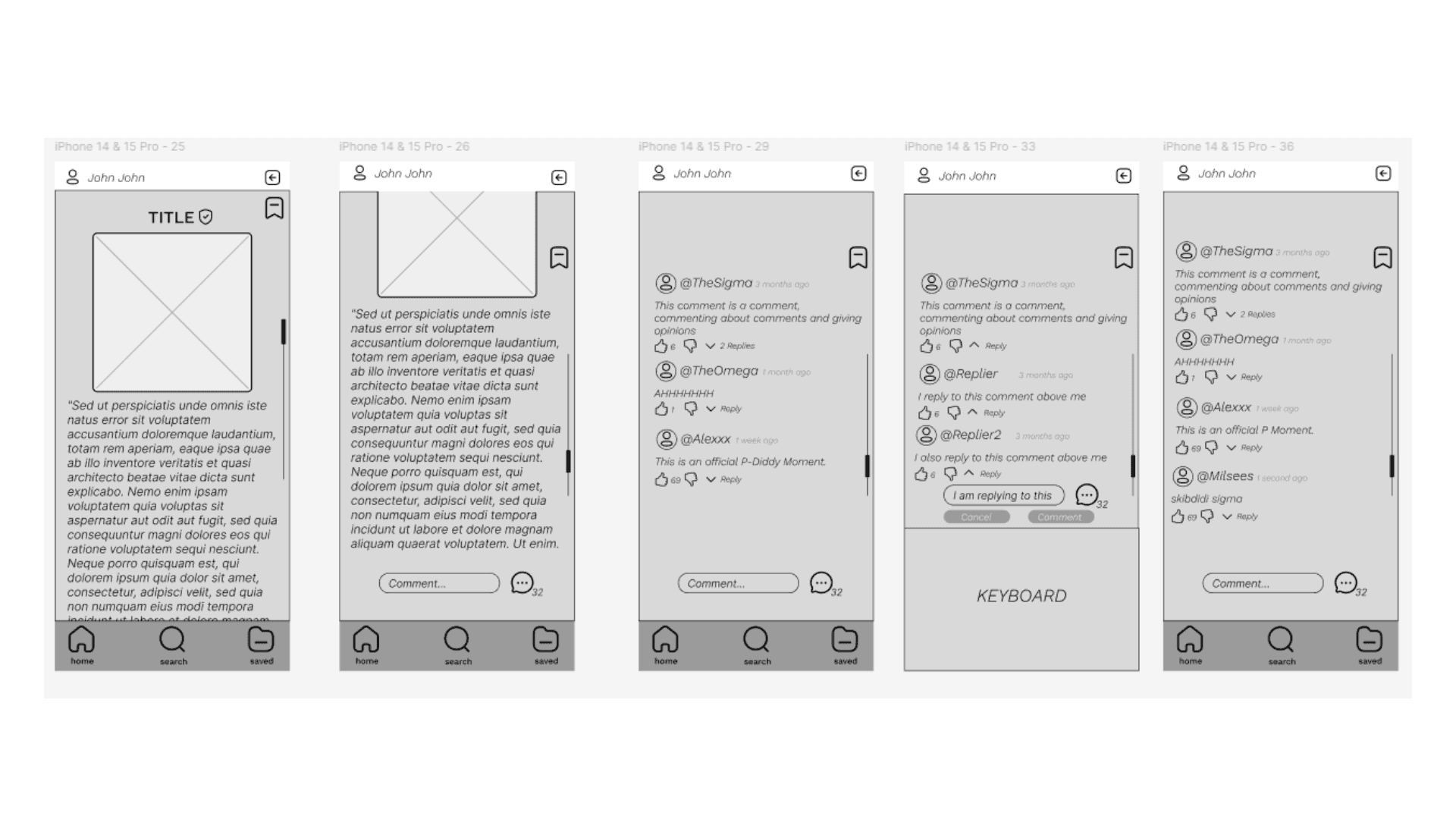
Check out our early design drawings and wireframing for these designs
Testing & Iterations
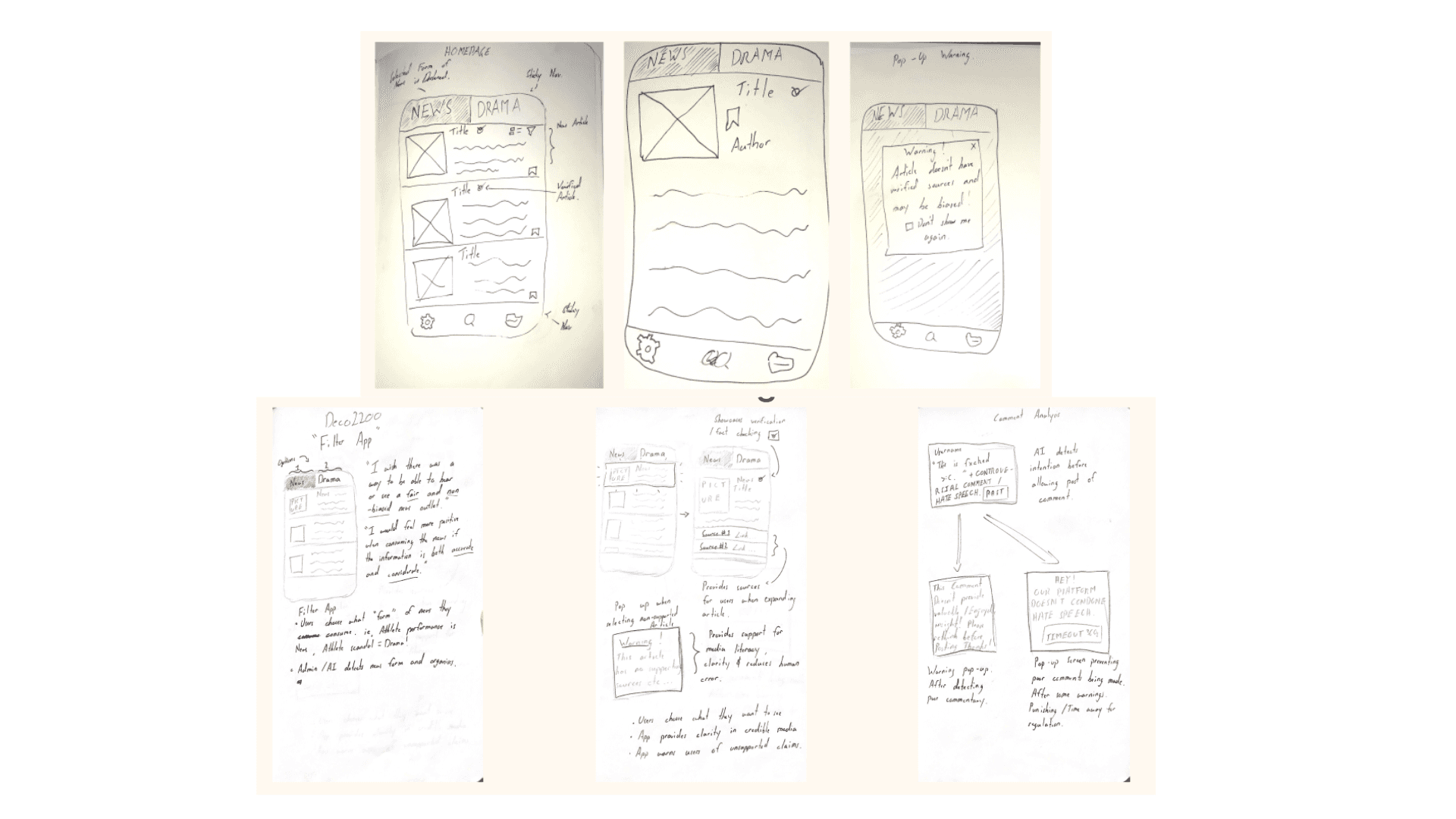
Our testing phase yielded great feedback which was necessary for us to better the app's design in order to provide a seamless and intuitive experience for the user, but let me break it down into our iteration phases:
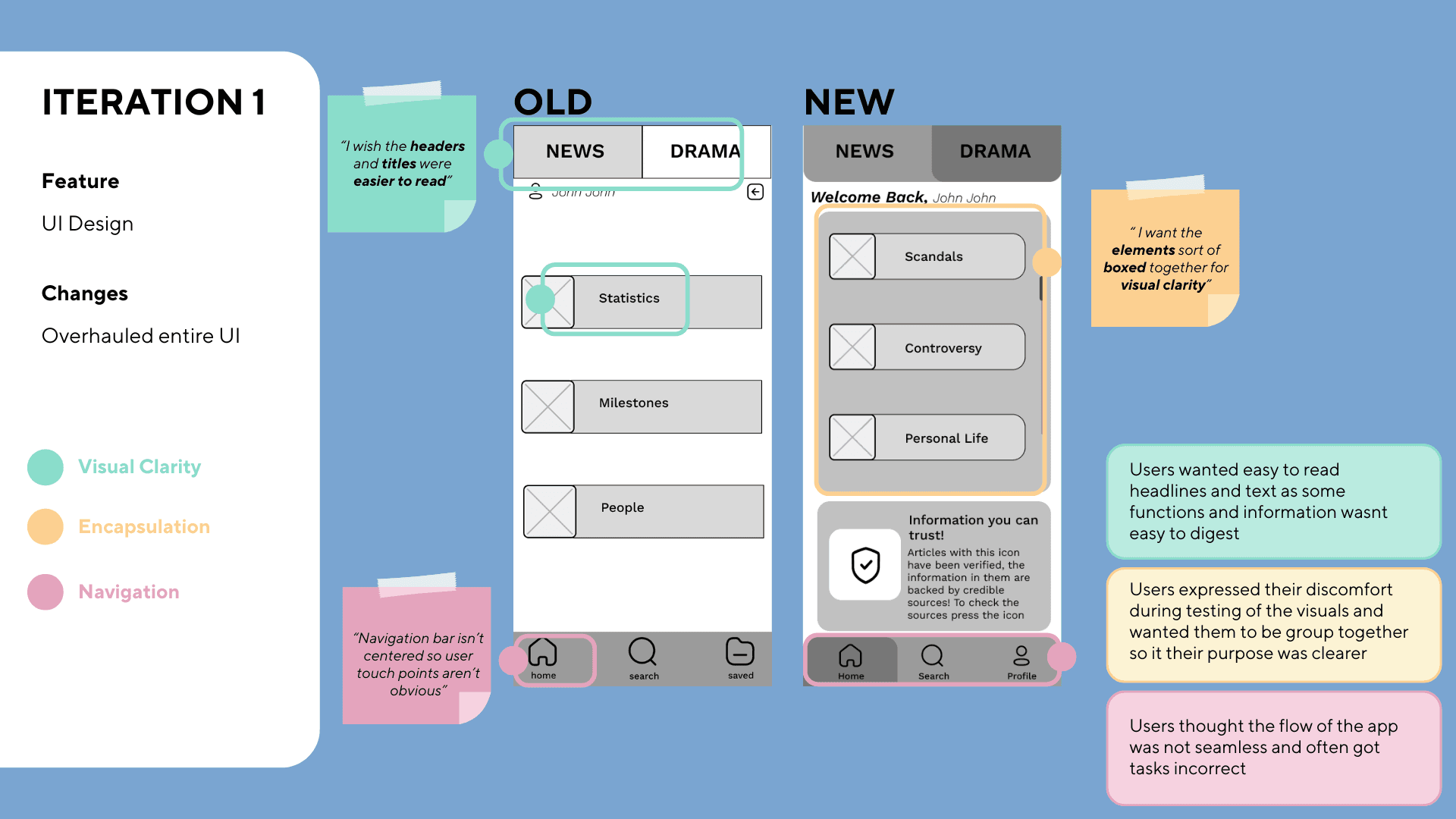
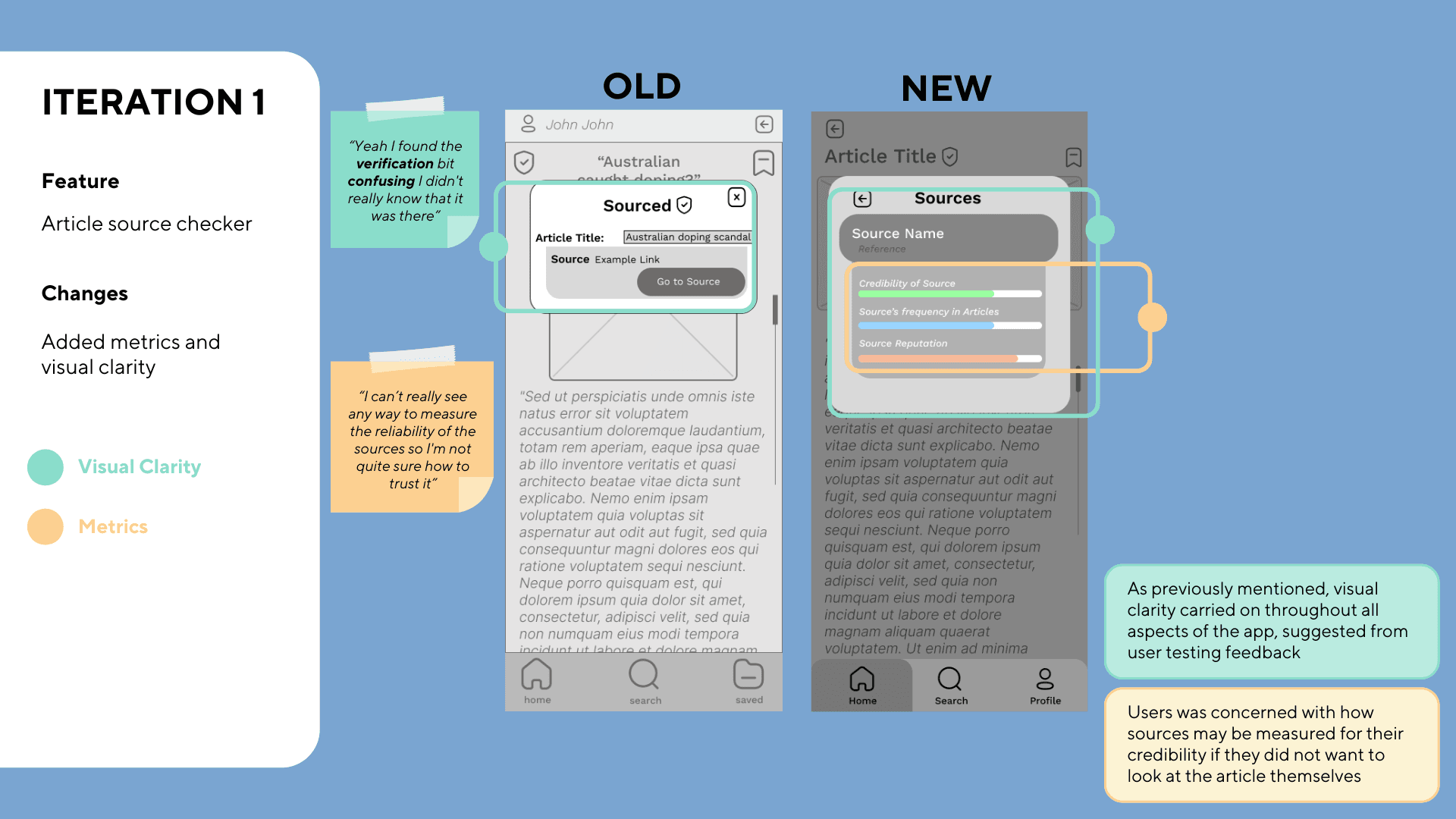
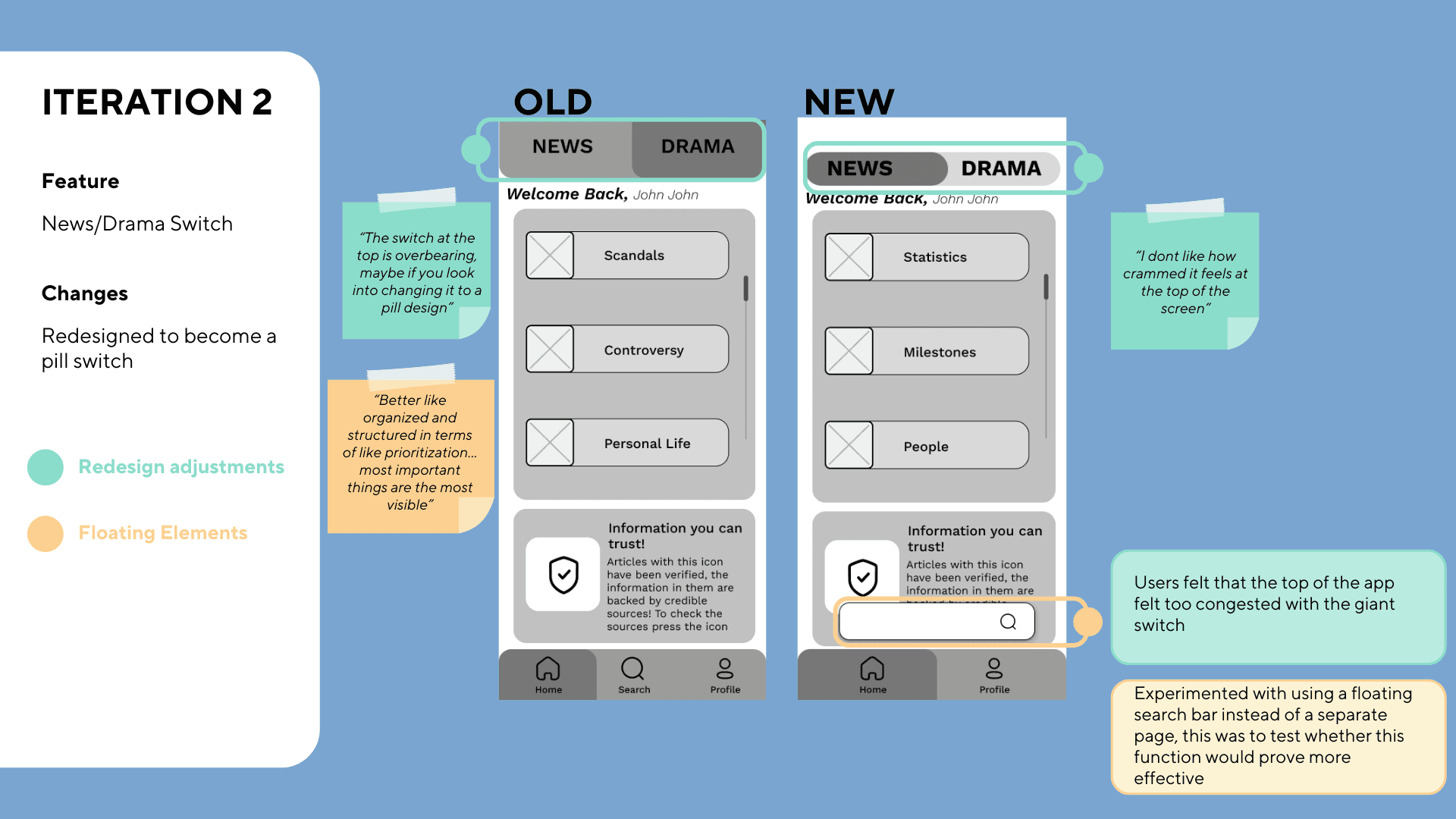
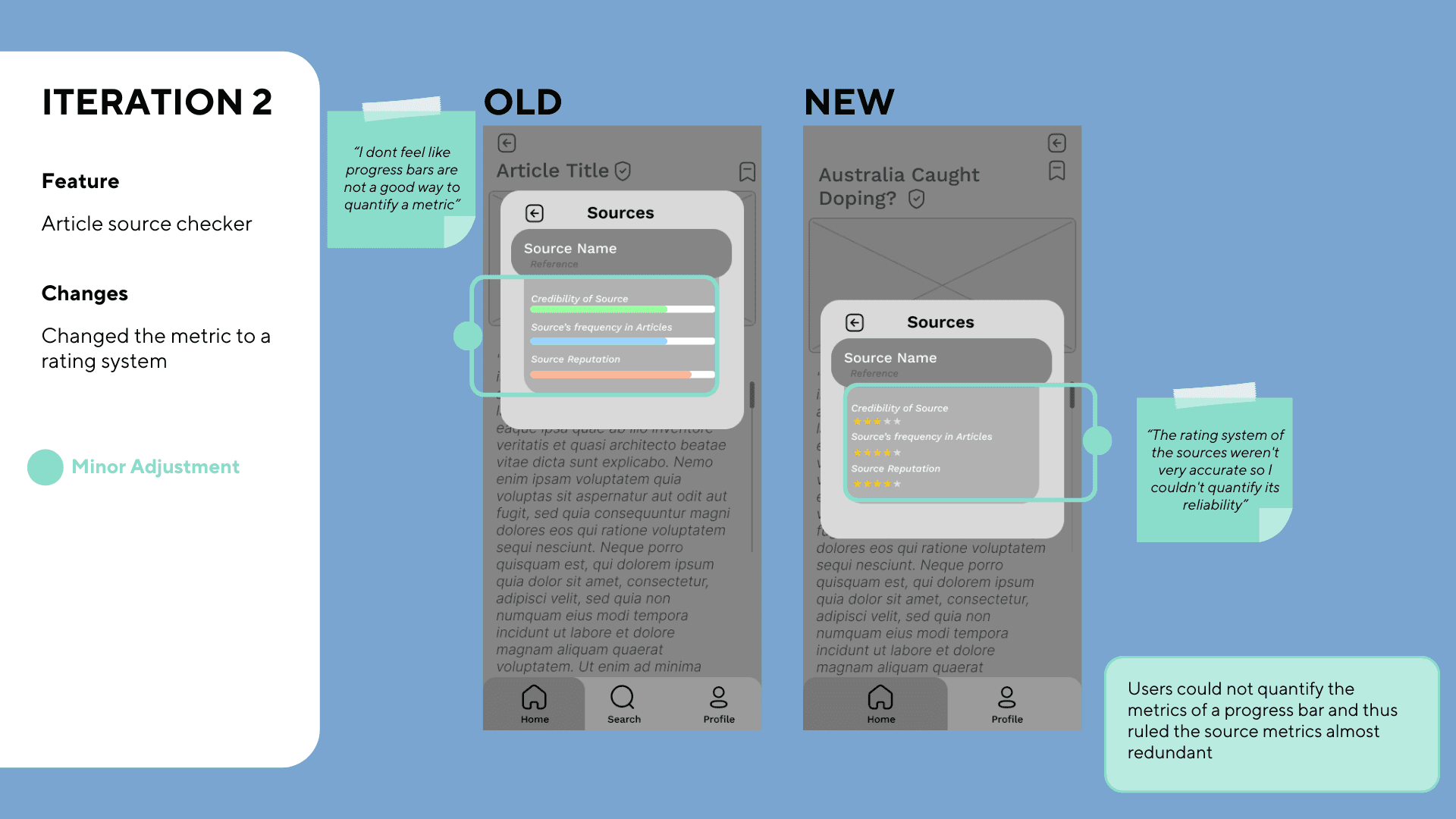
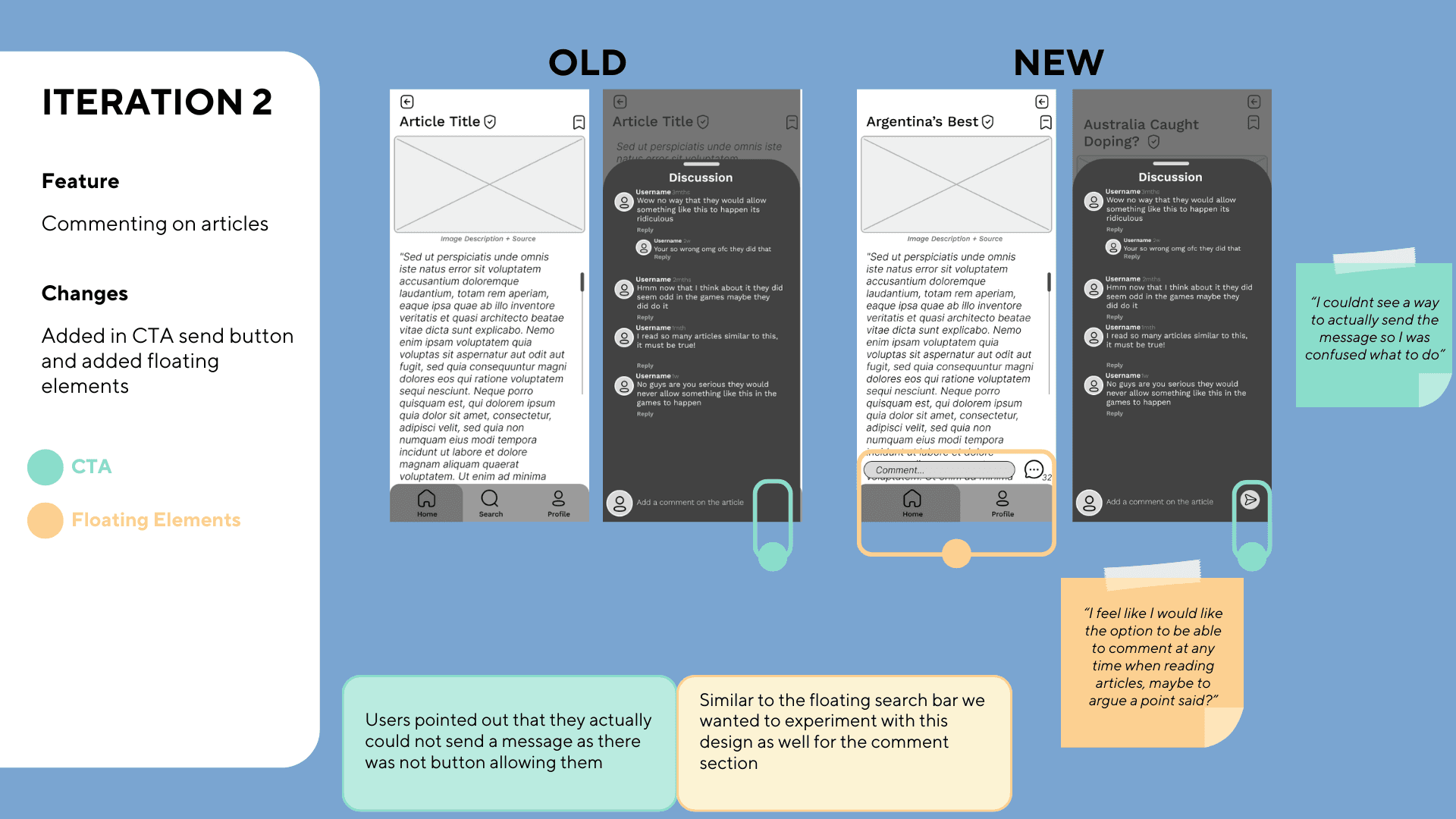
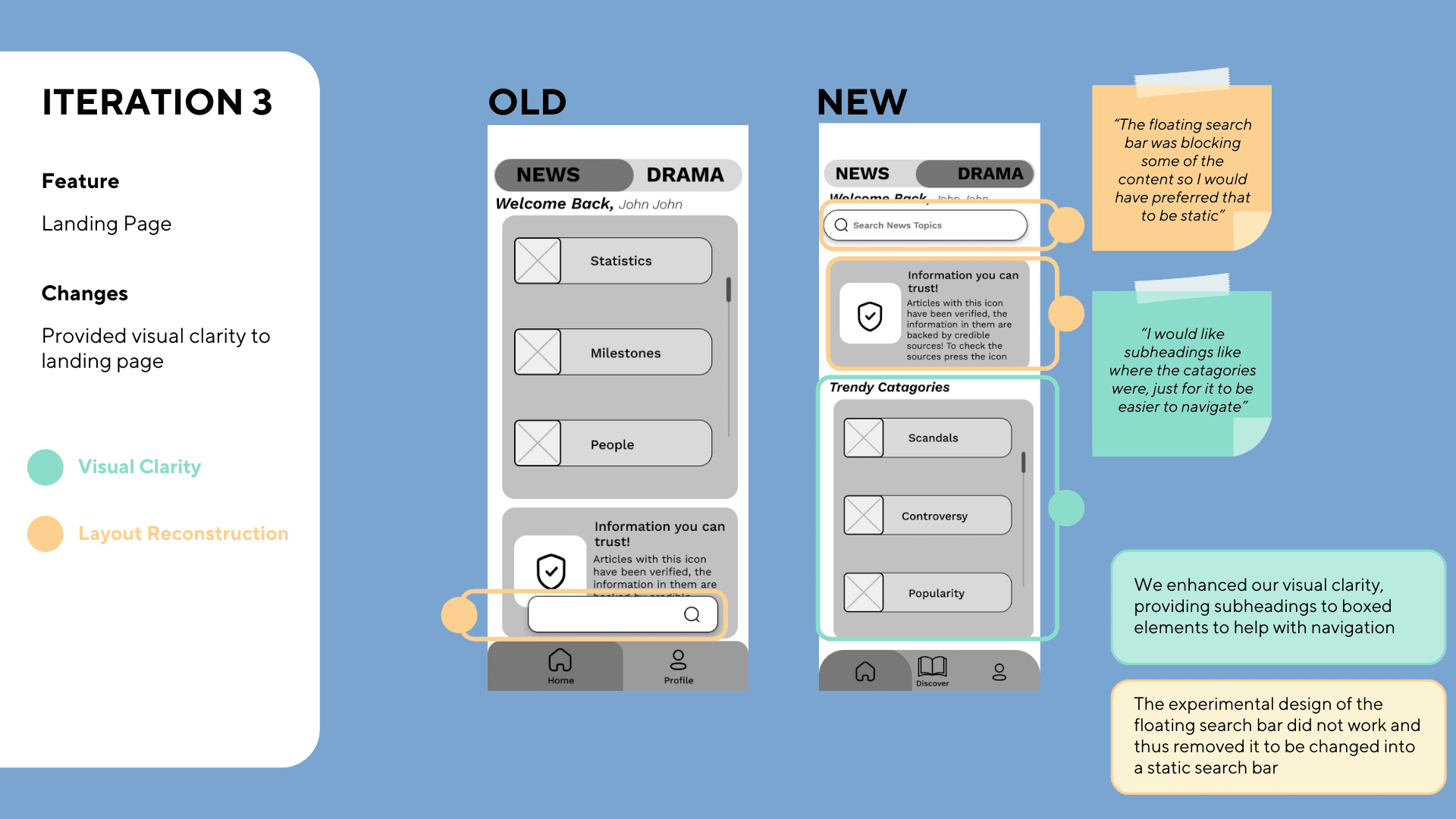
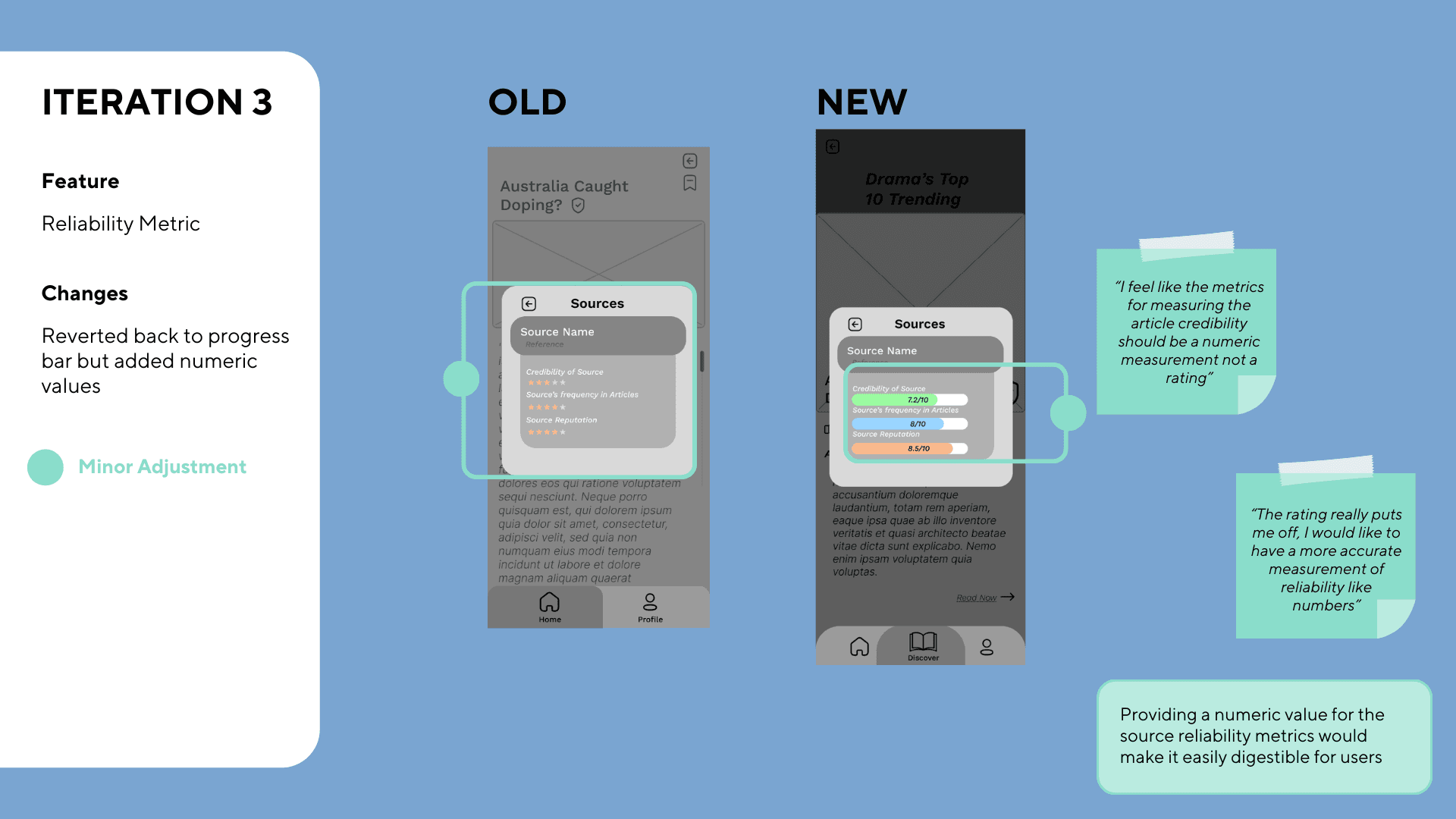
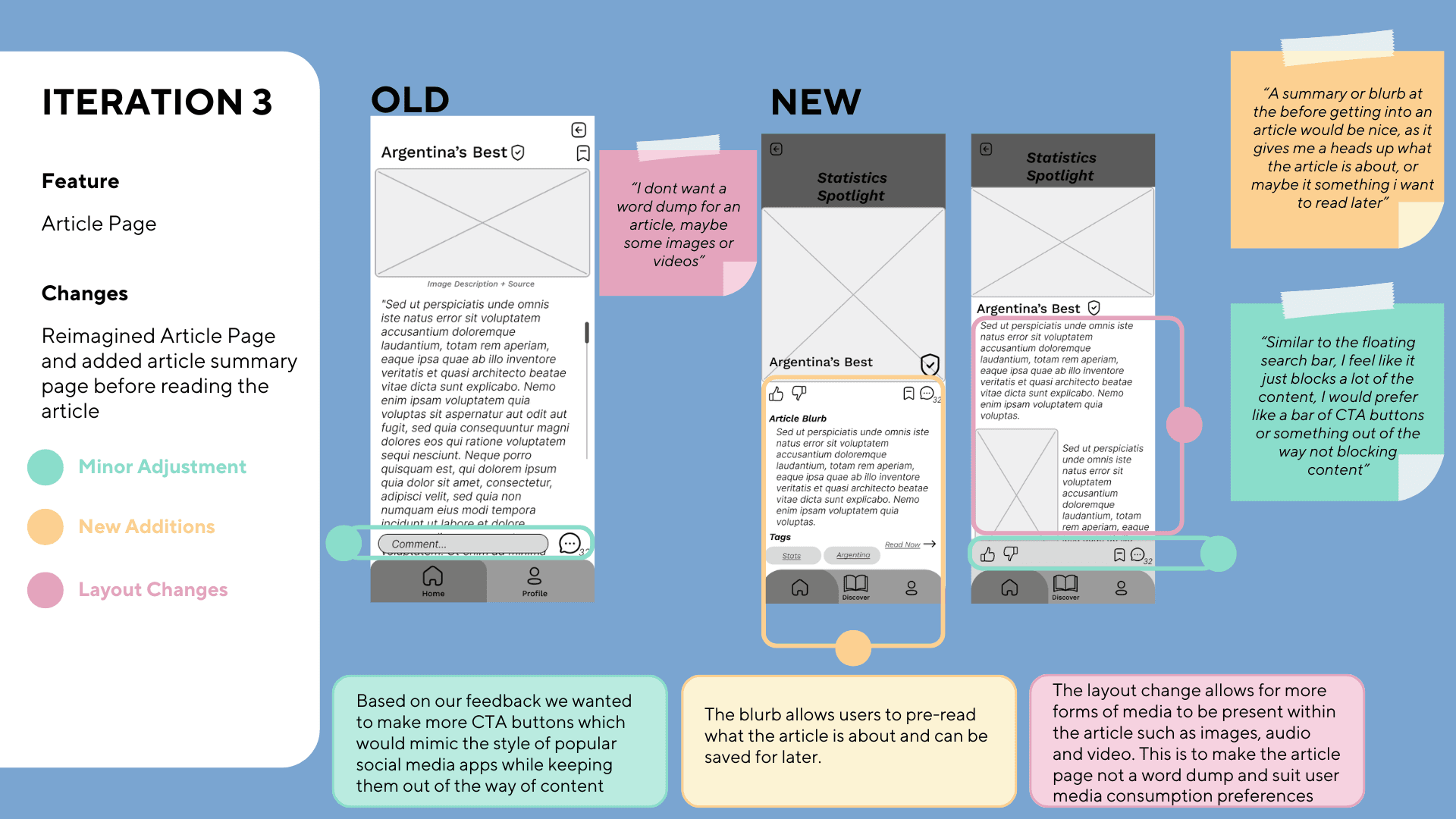
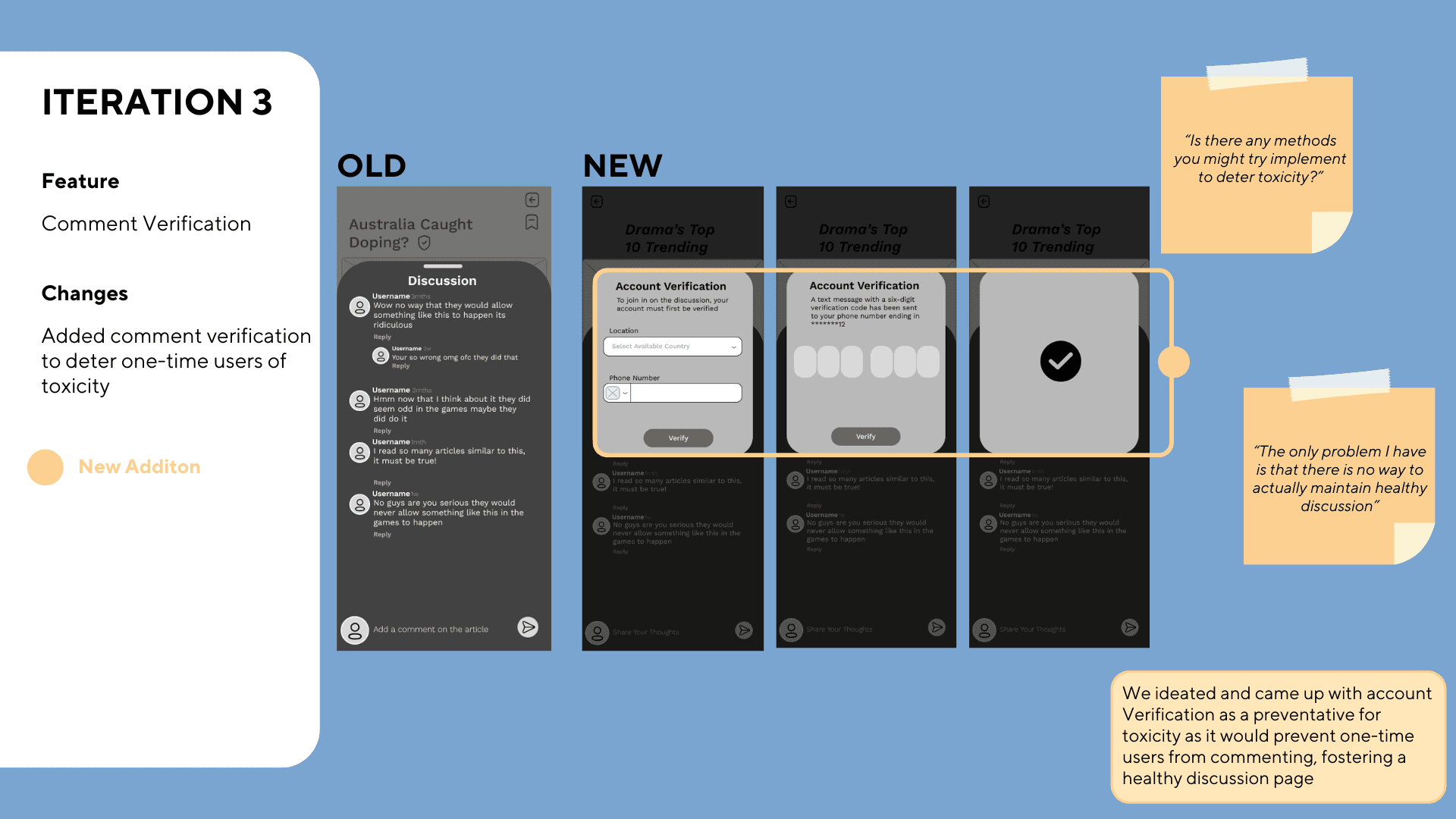
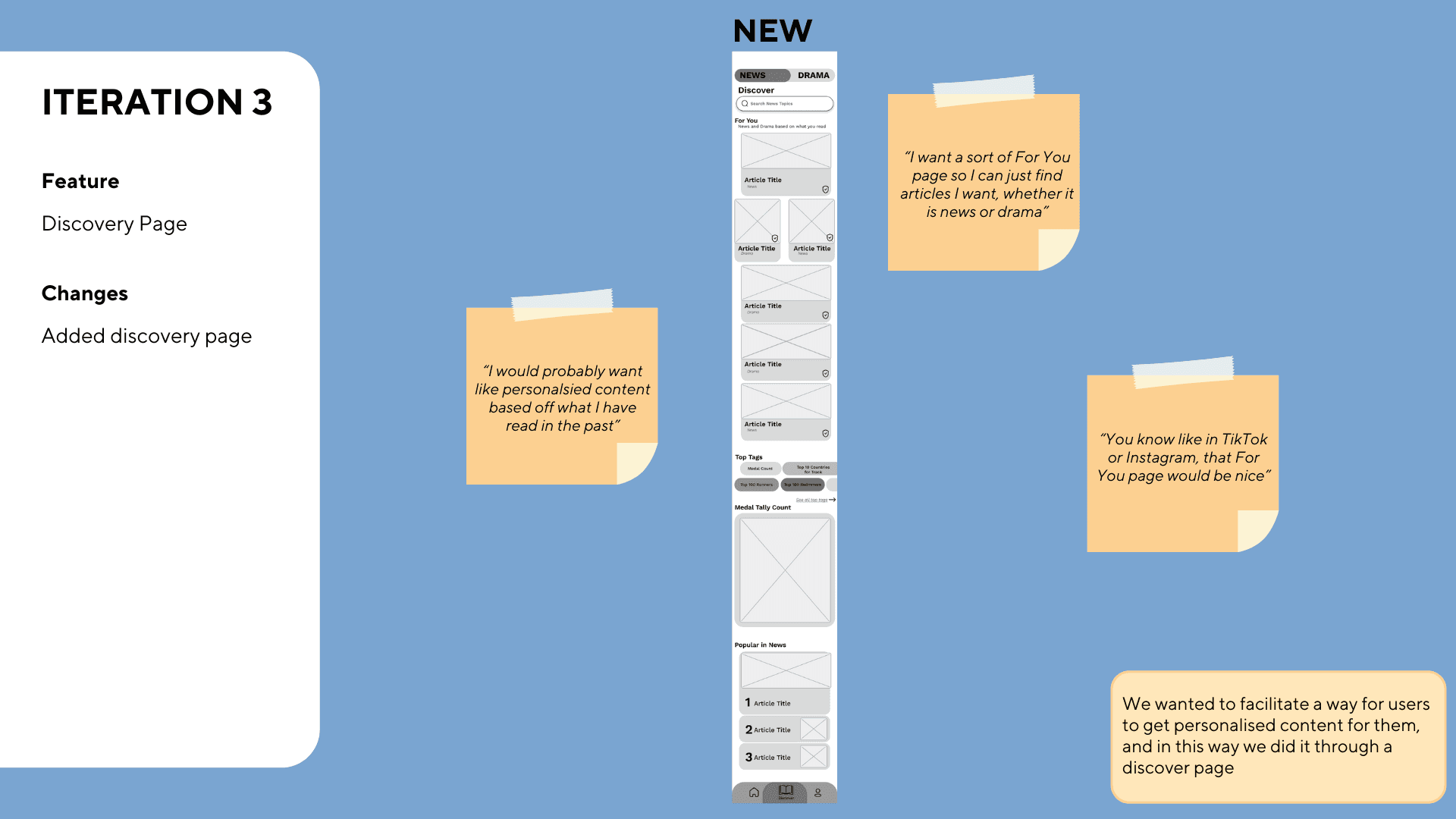
This stage of the design process, while tedious taught me that although something may seem comprehensive for me might not necessarily be for the user, and thus having multiple iterations allowed the necassary data to be extracted in order to better refine my work.
Although that we were time restricted for our user testing, I would have liked to conduct further tests between each iteration, I believe that it would of allowed for higher quality refinements to be made based on trending participant concerns.
Refinement & Implementation
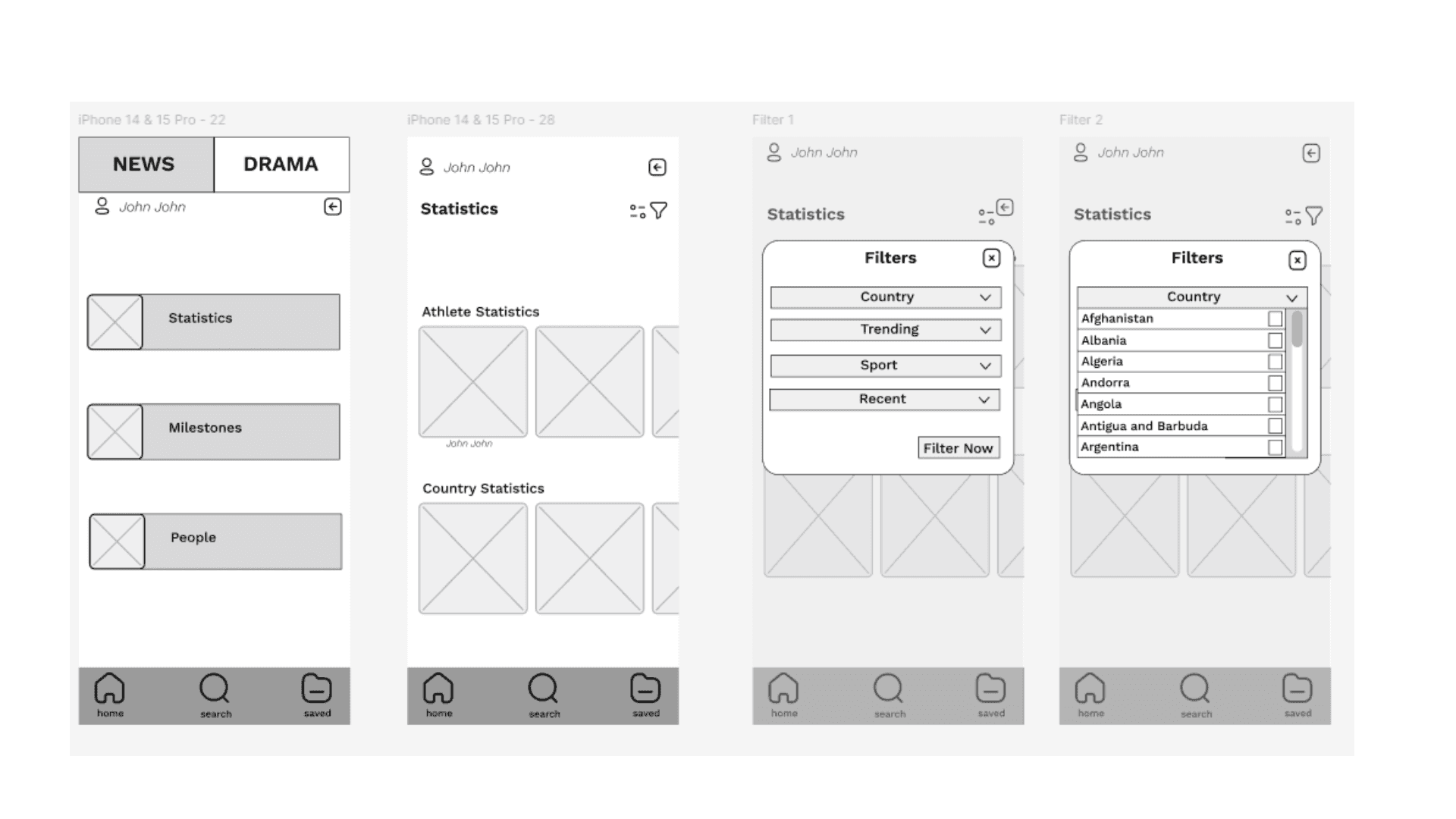
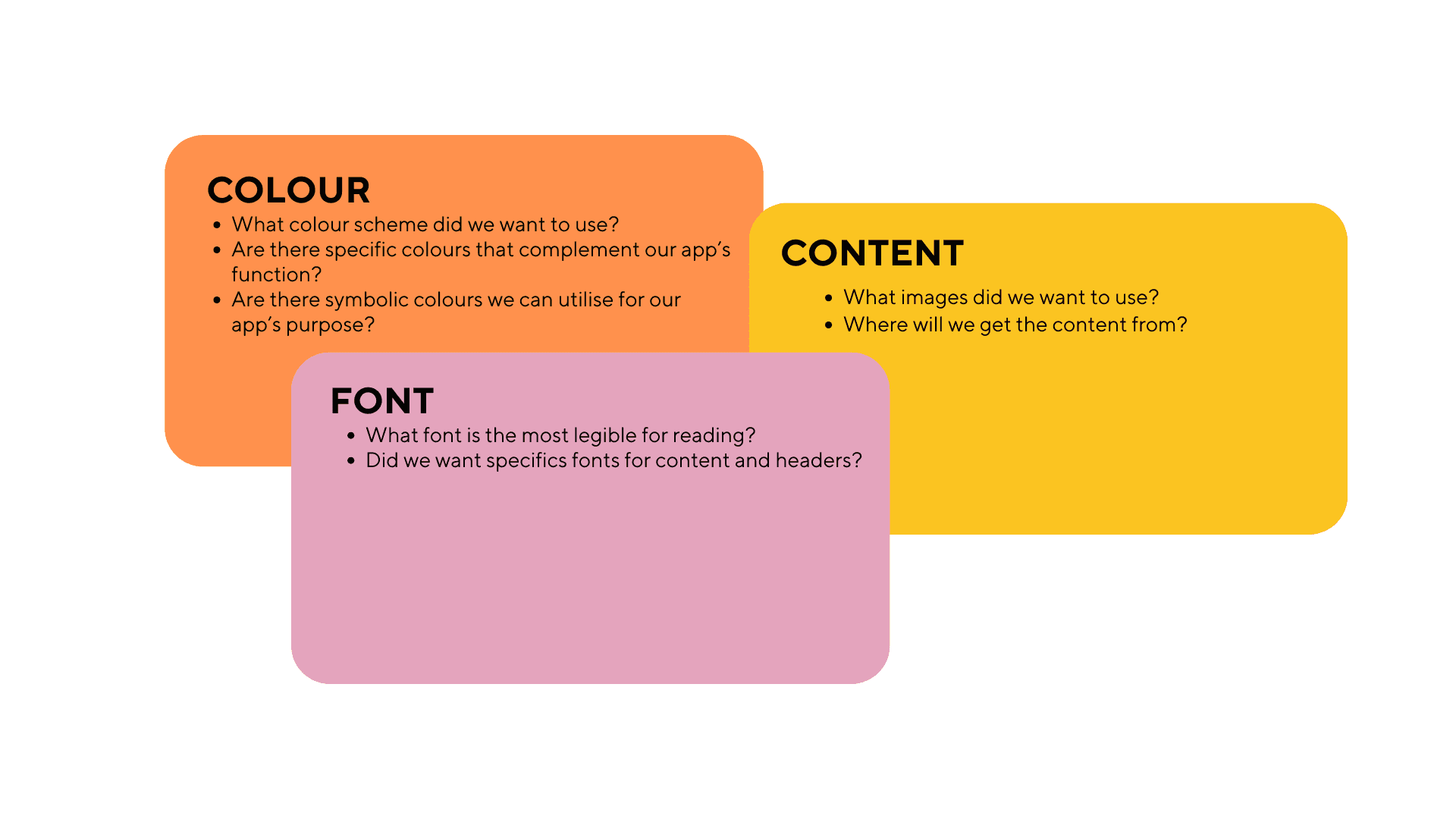
After our user testing was completed and most of our key function were fully fleshed out it was time to start designing for our high fidelity, to begin we had to think about three core components
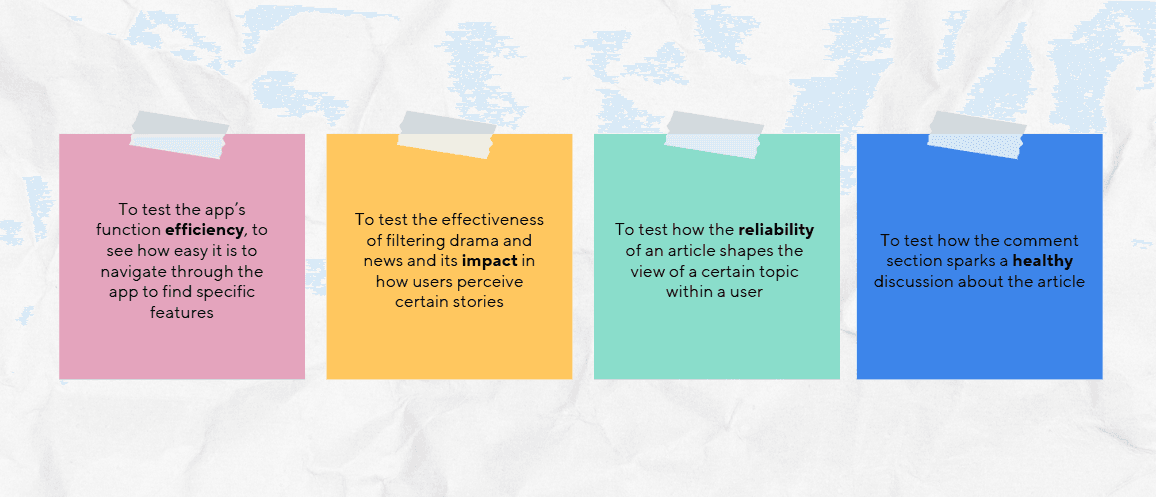
To effectively refine our prototype, we had to conduct expert testing, but what did we actually need to test for?
Final Product
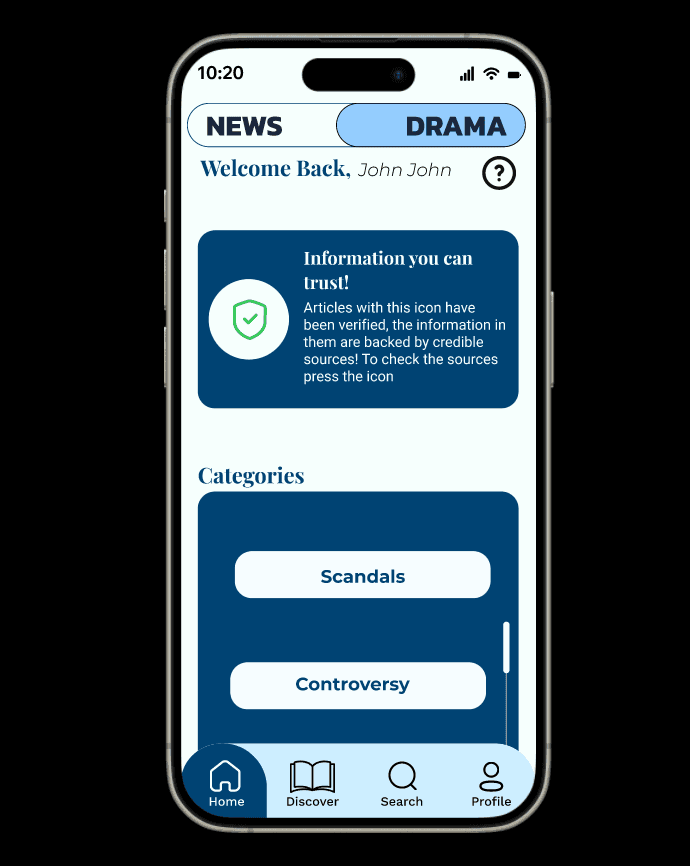
I proudly present our final interactive prototype:
💭 Reflection
The key focus for this assignment was to investigate the impact of unethical journalism on the portrayal of Olympic topics and athletes and to create a digital solution based off our findings. Personal interest served as a catalyst for a deep and nuanced understanding within this field. However, during this semester I have learned a plethora of different skills, methods and techniques as well as gained valuable experience within the design process.
Research deepened my understanding of both athletes and audiences, prompting a reframing of our problem space and uncovering key challenges and opportunities. Using these insights as a foundation, I refined my ideation approach to generate stronger concepts and identify the most effective solution.
Hard work pays off
Designing with preparations
The iterative phase taught me the importance of preparing for user testing, to ensure what features were being tested, the participant selection, the goals needed to be achieved and the flow of the test itself in order to obtaining meaningful that can be easily translated to actionable changes. This has also led us to have a newfound appreciation to the work and efforts that are done to applications to ensure that they provide users a seamless experience.