Project Overview

Industry
Edtech | Social Impact Design
Location
Sydney
Project
Product Design
Score
HD

Challenge
Solution
Result
What I Learned
The Problem
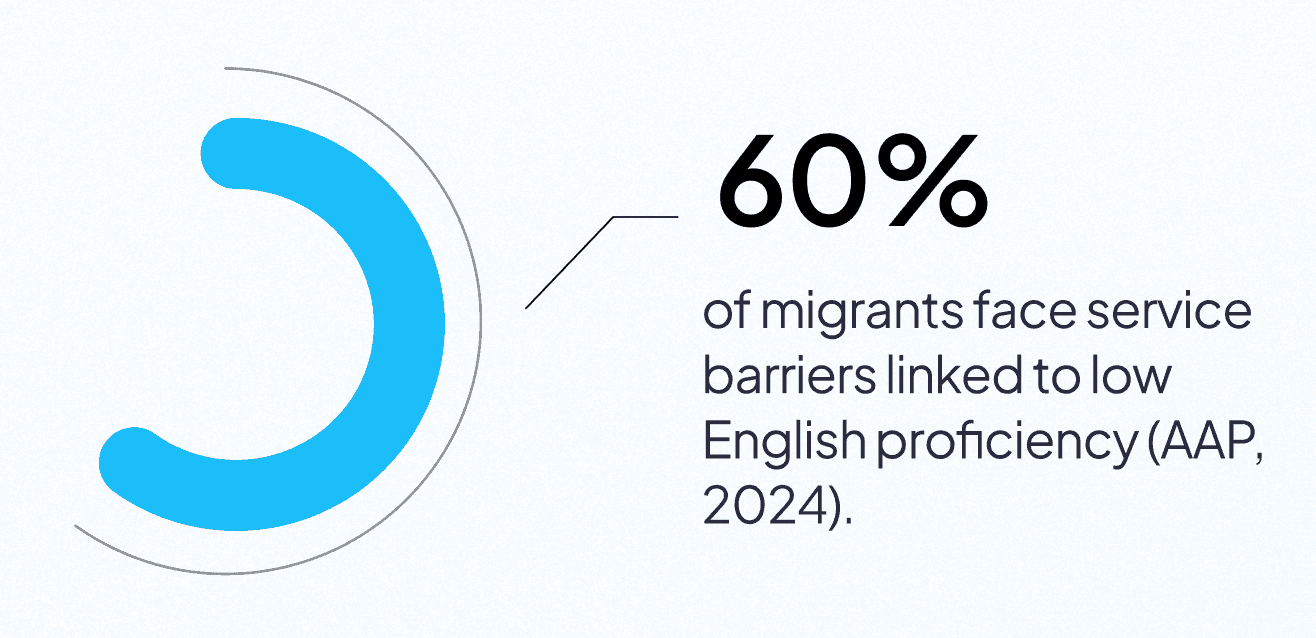
Every day, millions of migrant families in Australia face invisible struggles . Children take on the role of language brokers for their parents, while parents grapple with everyday tasks.
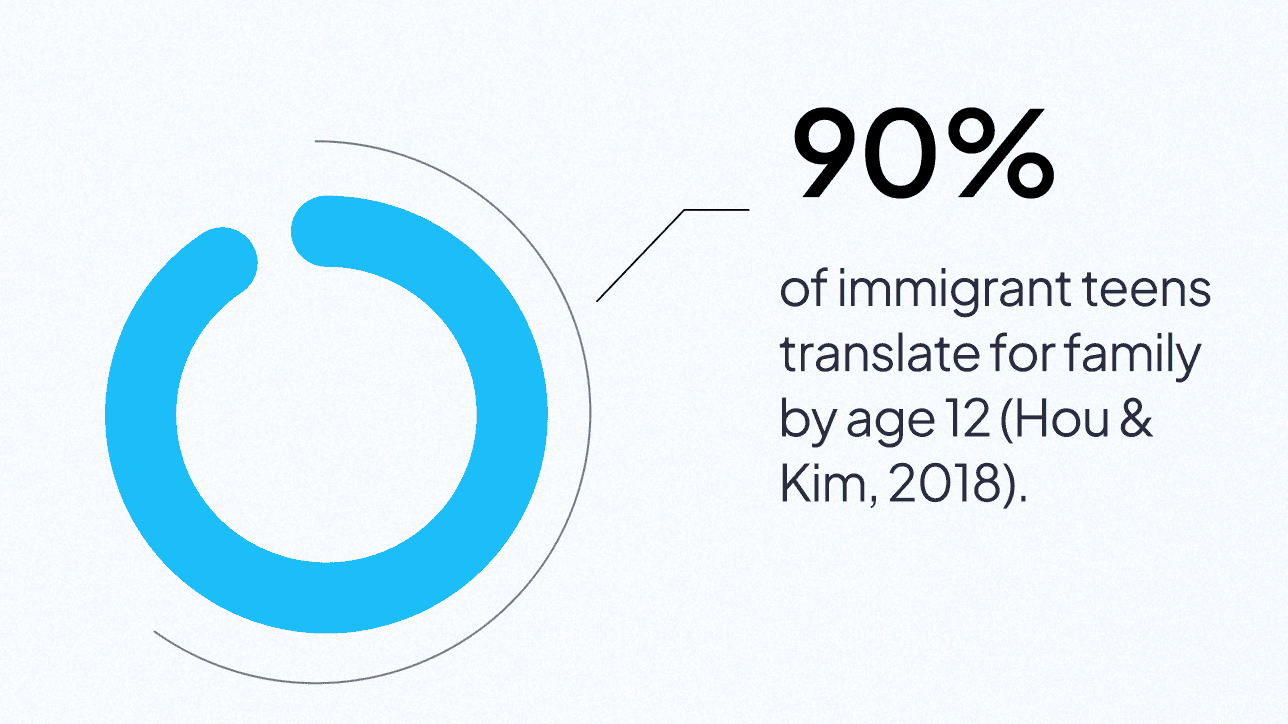
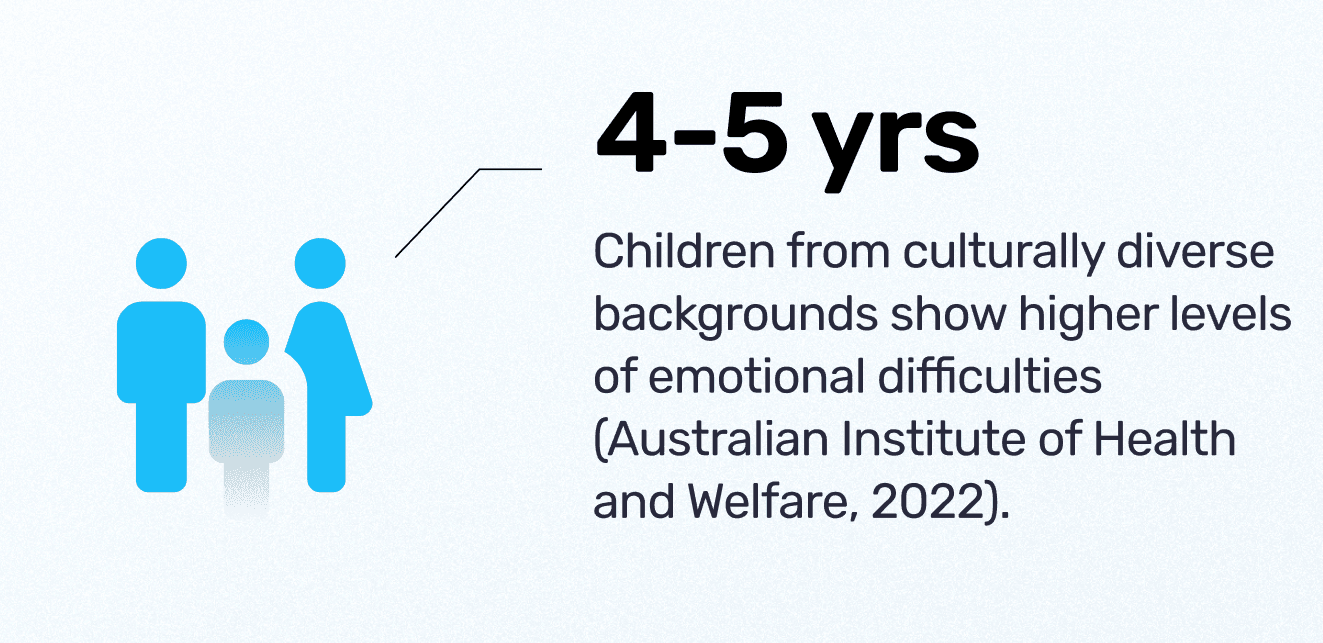
Not only are children burdened with the responsibility of language brokering, they also grapple with an inner conflict around their bicultural identity.
So we asked ourselves…
How Might We Support the parents in building their own confidence to communicate independently, while allowing children to reconnect with their cultural identity through play?
💡Design that empowers: Build confidence for everyday independence with tools that teach real-life skills
🎮Play as connection: Foster curiosity and learning that reconnect children with their culture.
♻️Consistency through joy: Initiate routines that invite daily use, not obligation
The Solution
Kinori helps parents navigate daily life confidently in a new language, relieving children of translation duties and letting them play while connecting with their cultural roots. Here's how it works:
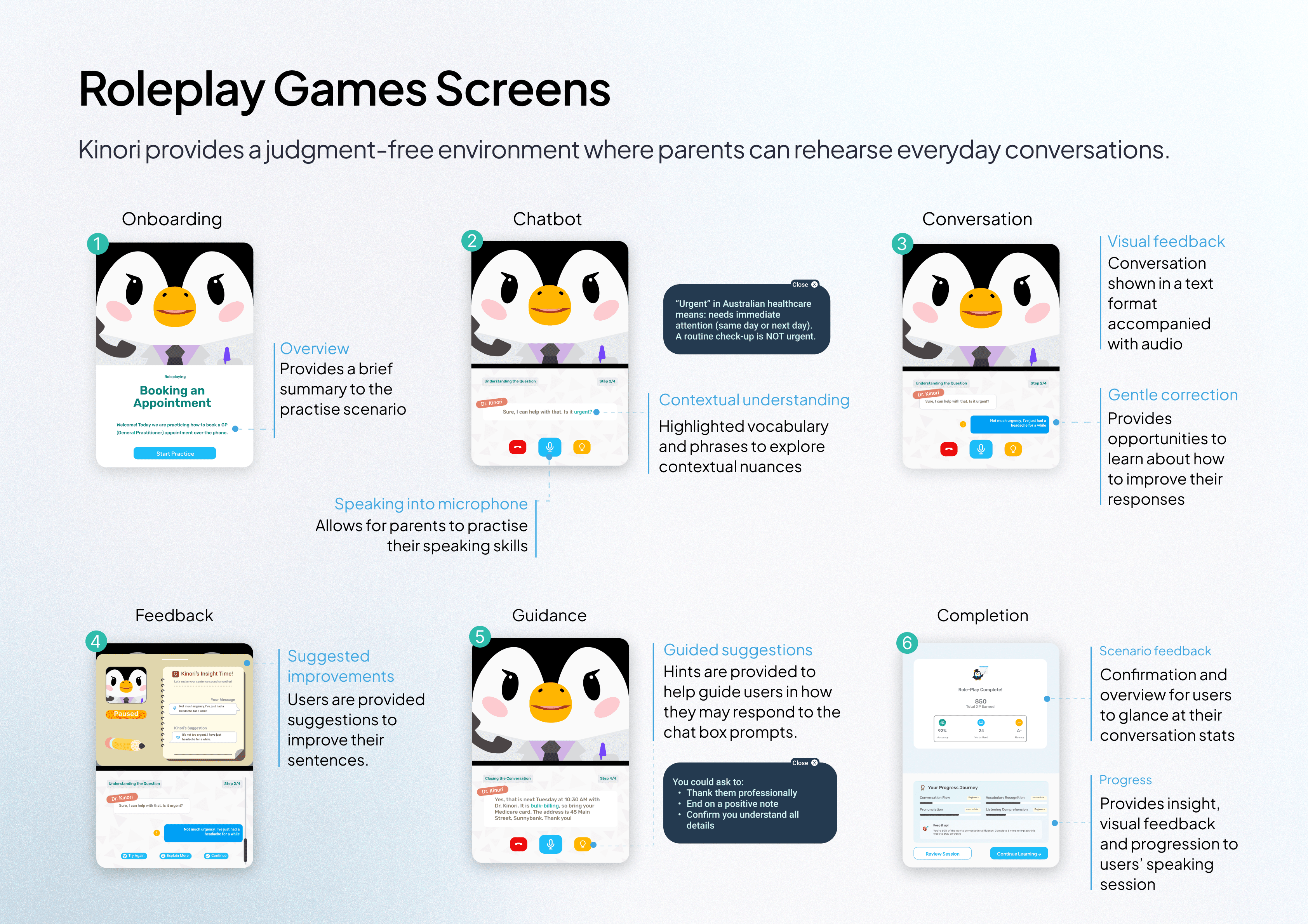
1️⃣Role-Play Games: Role-play games let parents practice real-life conversations by talking to Kinori through the microphone, without the pressure of real-world stakes.
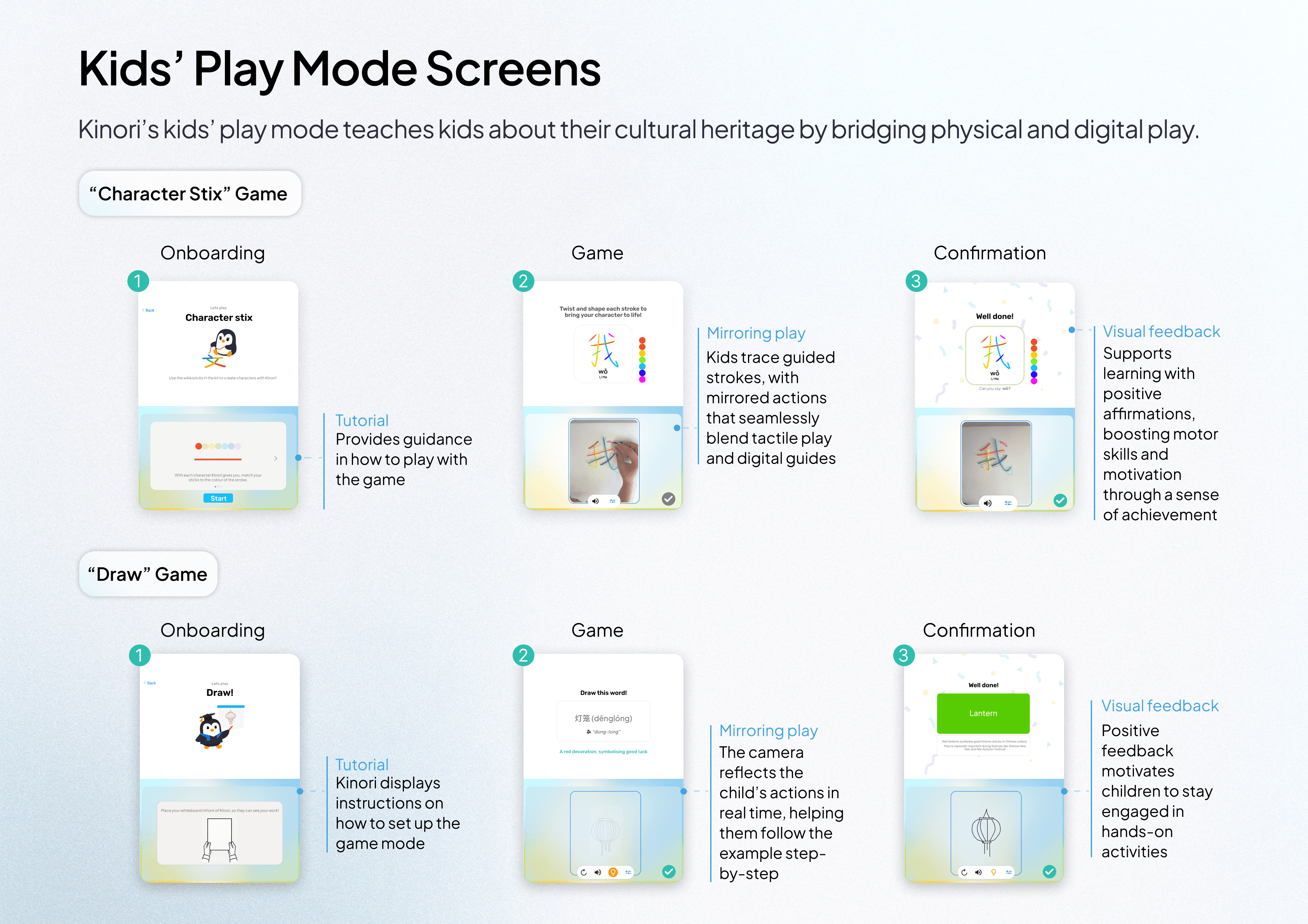
2️⃣Kids' Play Mode: Kids’ Play Mode combines digital and hands-on play. Kinori “watches” through its camera and responds to your children’s creations with the learning kit.
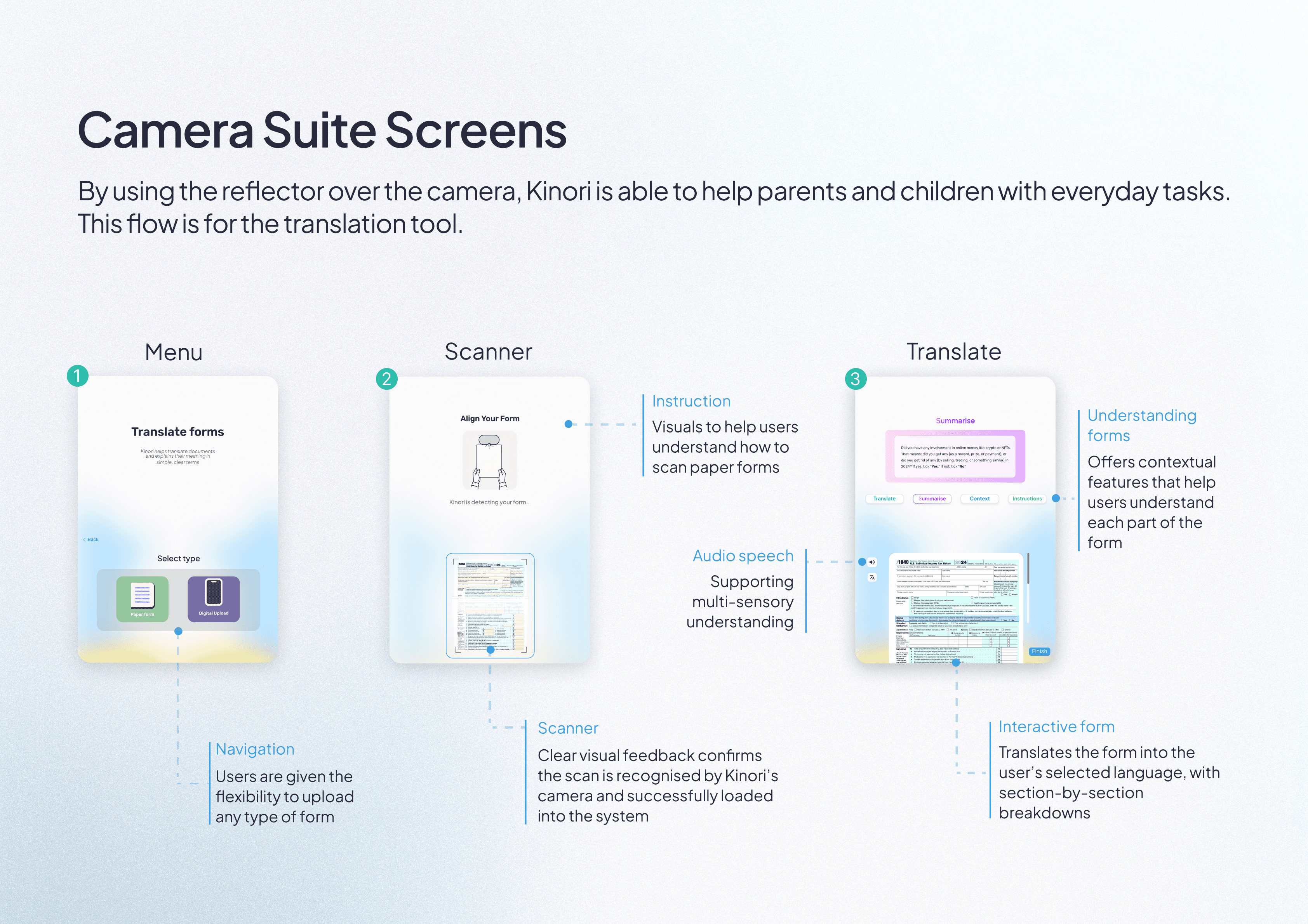
3️⃣Camera Suite Tools: With its camera, Kinori can view real-world tasks and offer instant support from translating documents to helping kids through homework.


The Design Process
To design Kinori, we utilised our own version of the Double Diamond approach to design thinking, guiding our project from discovery and research through to ideation, refinement and finally the high-fidelity prototype.
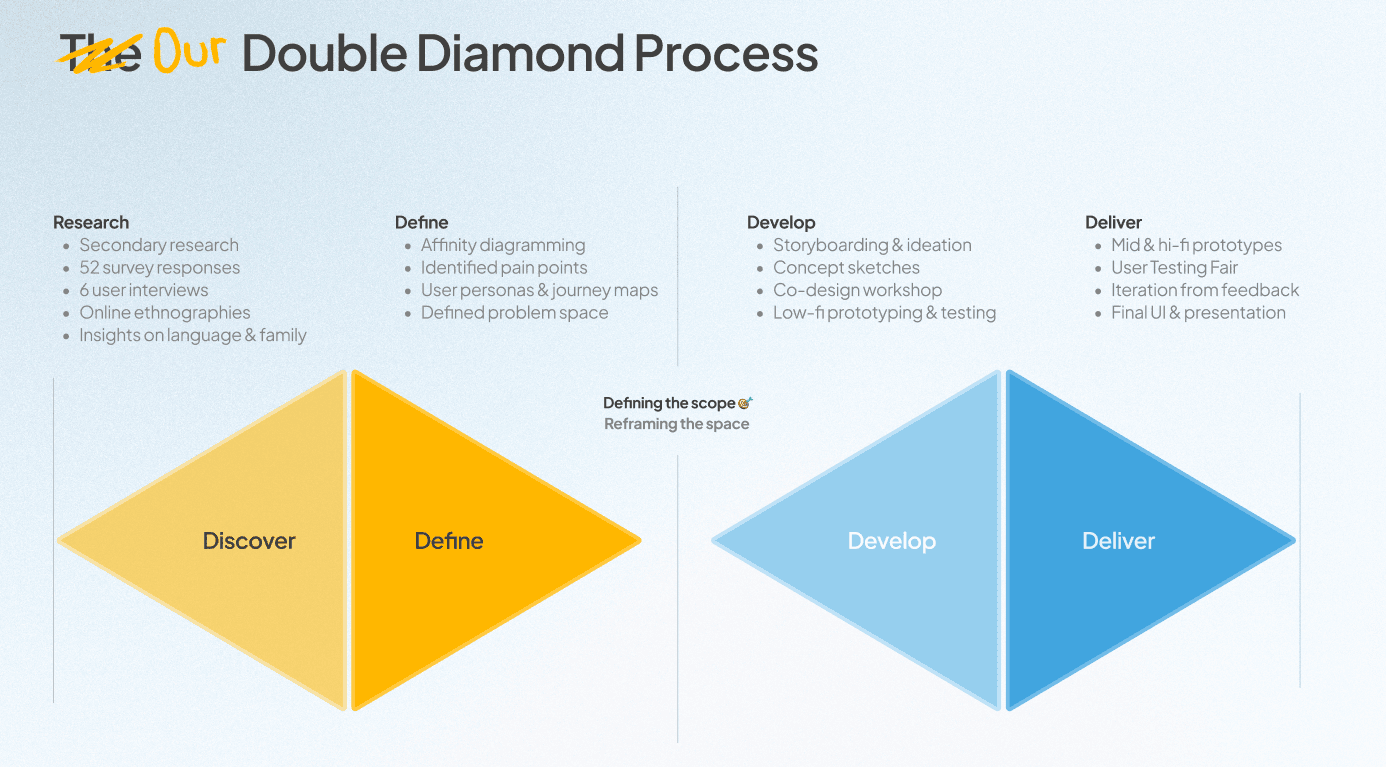
Discovery
Primary Research Plan
We set out to explore immigrant family transition struggles by diving into their experiences, hardships and perspectives through a triangulated primary research approach, including online surveys, interviews and an online ethnography:
In total we conducted:
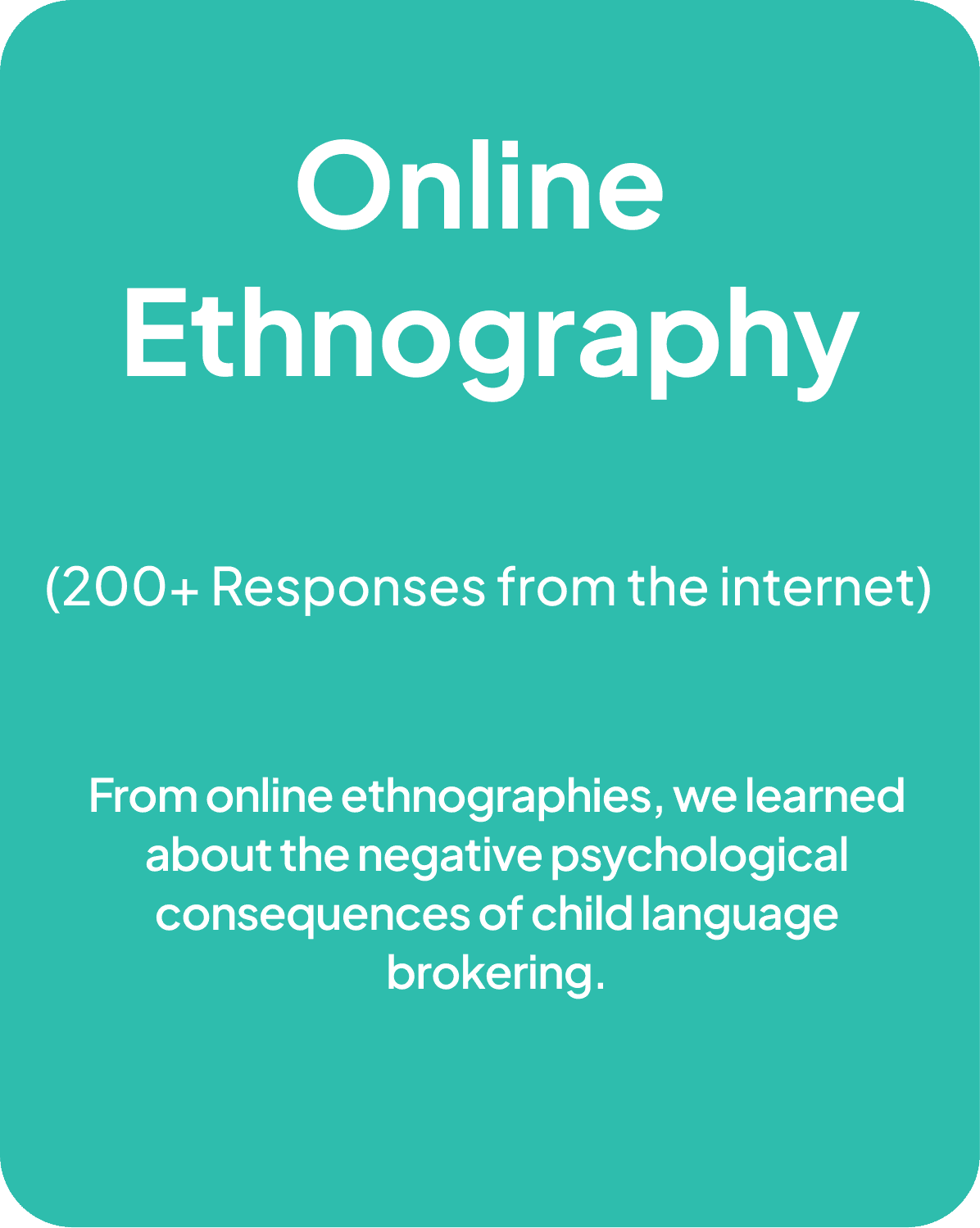
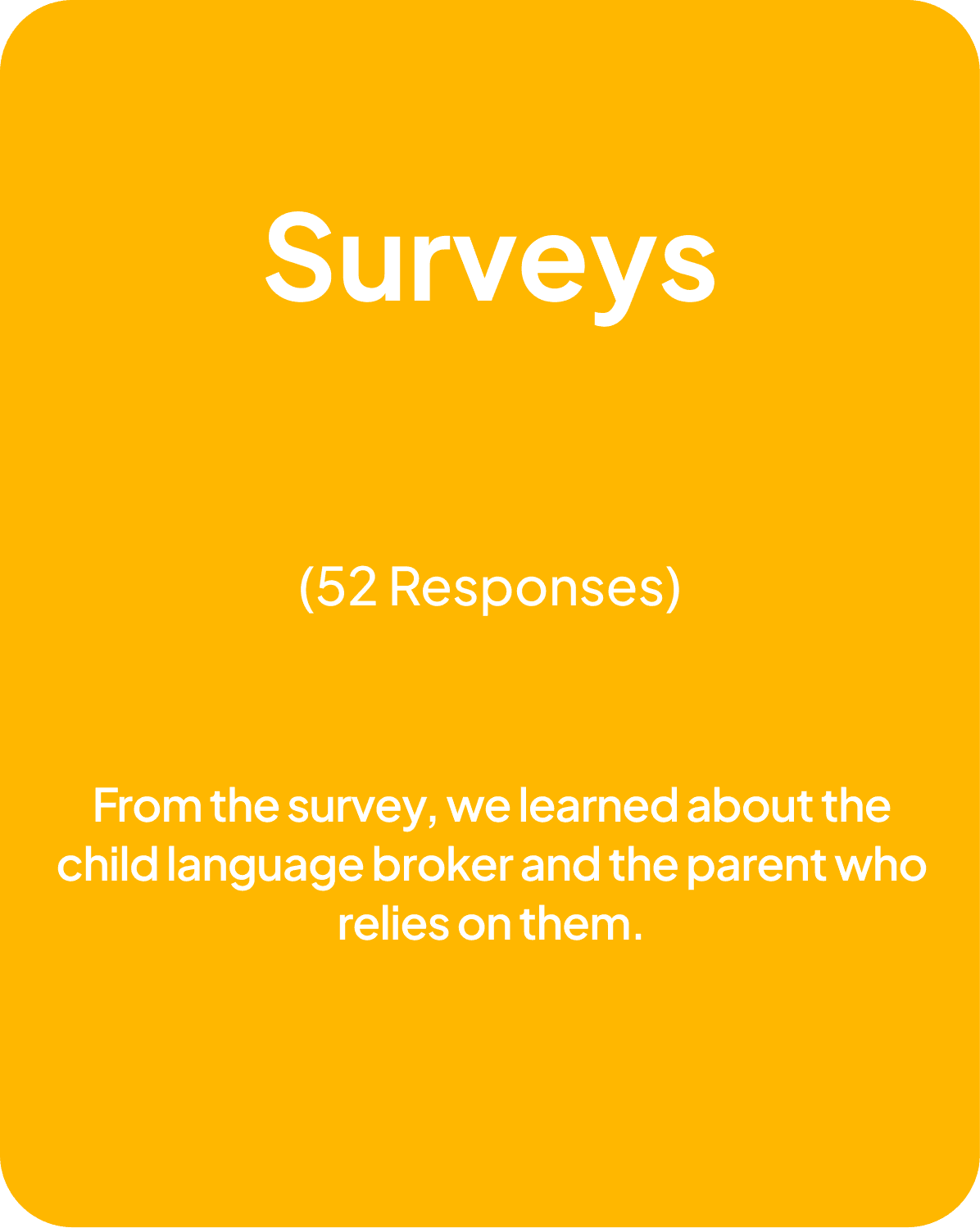
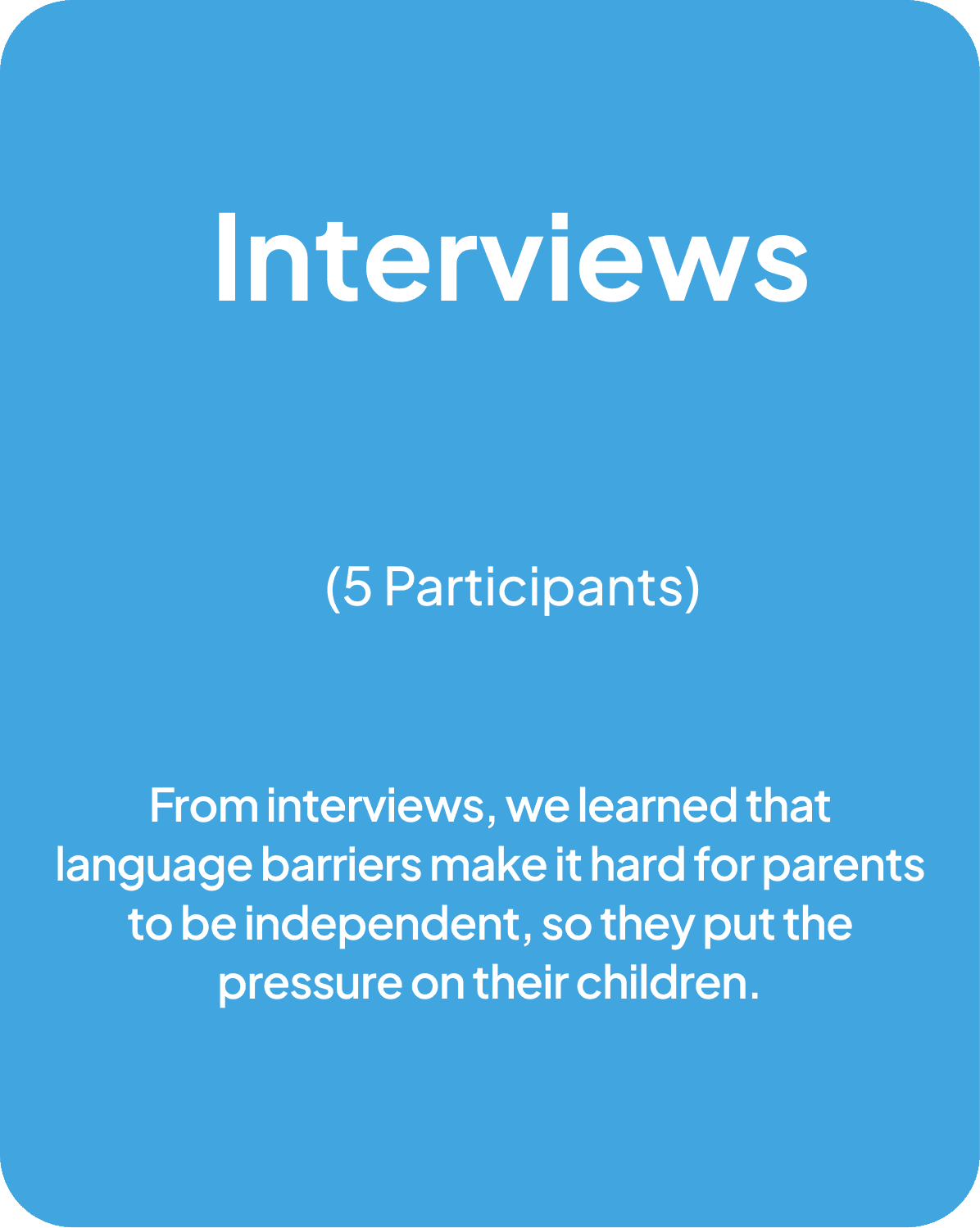
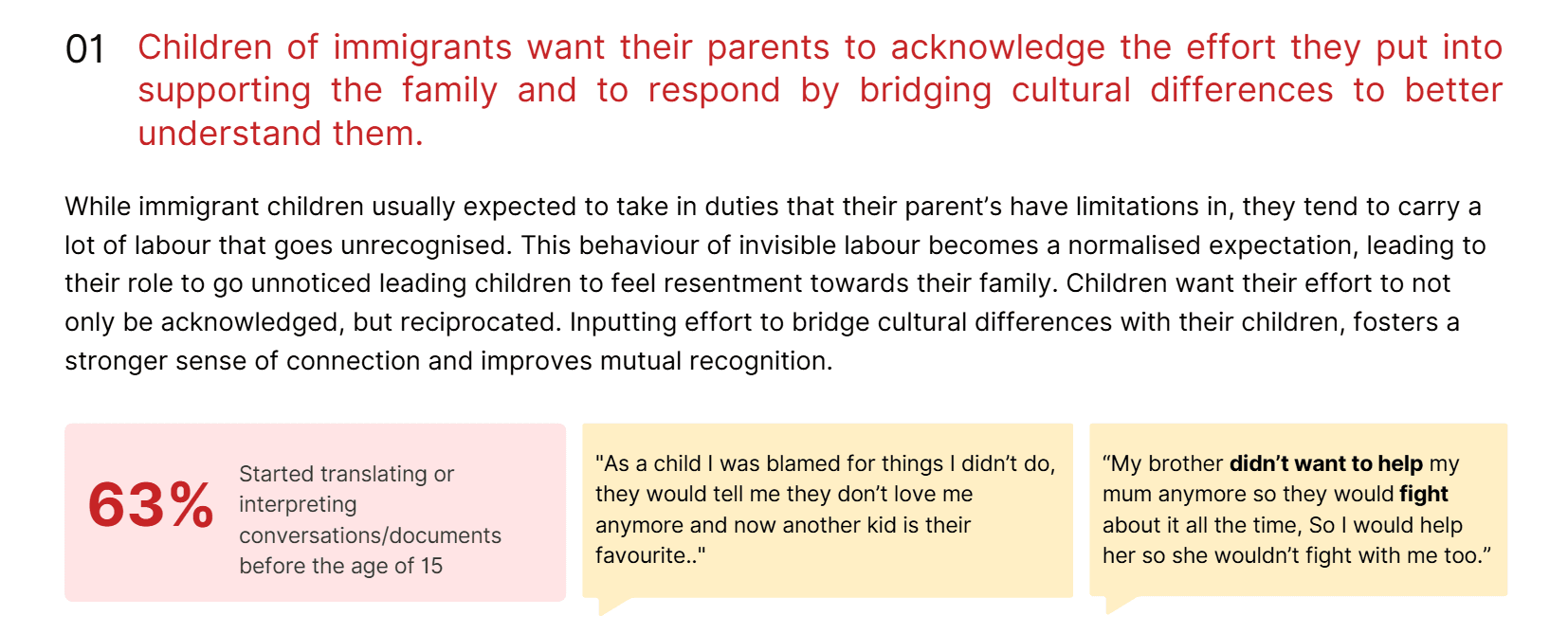
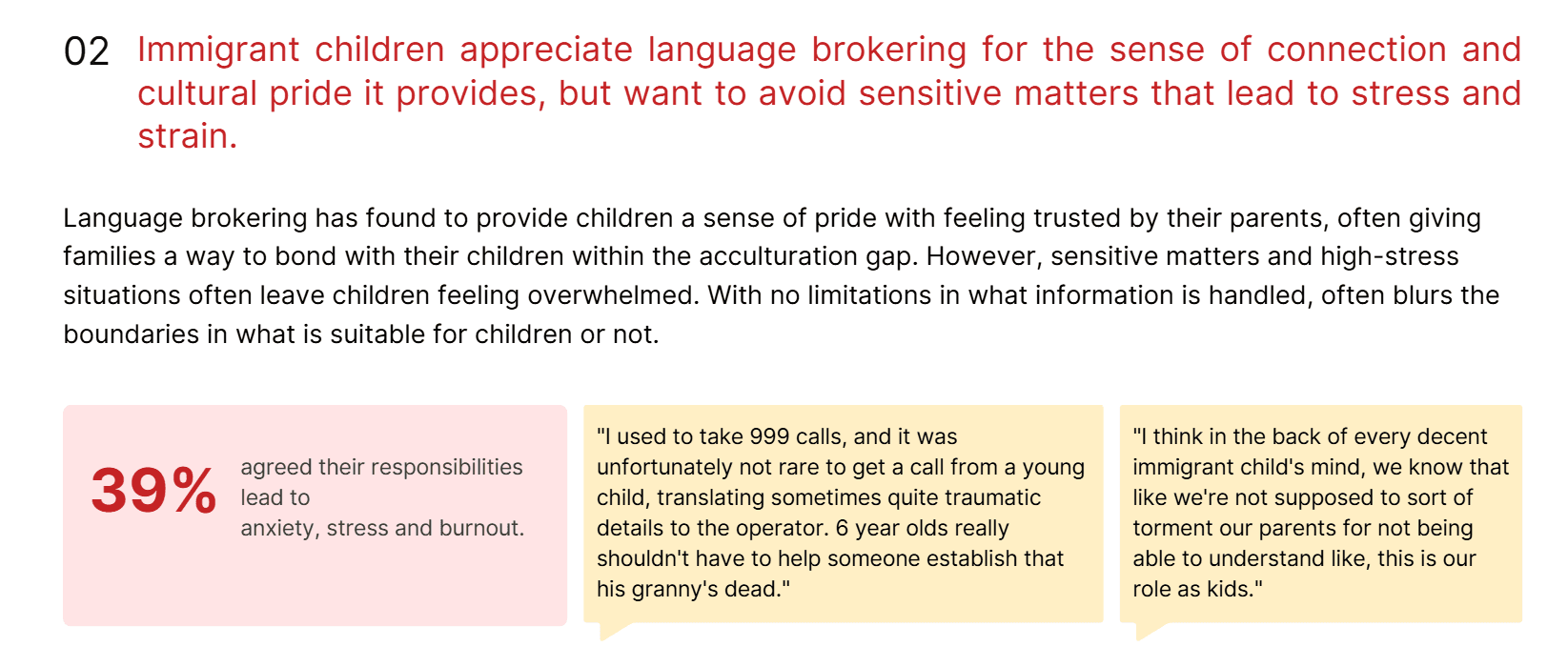
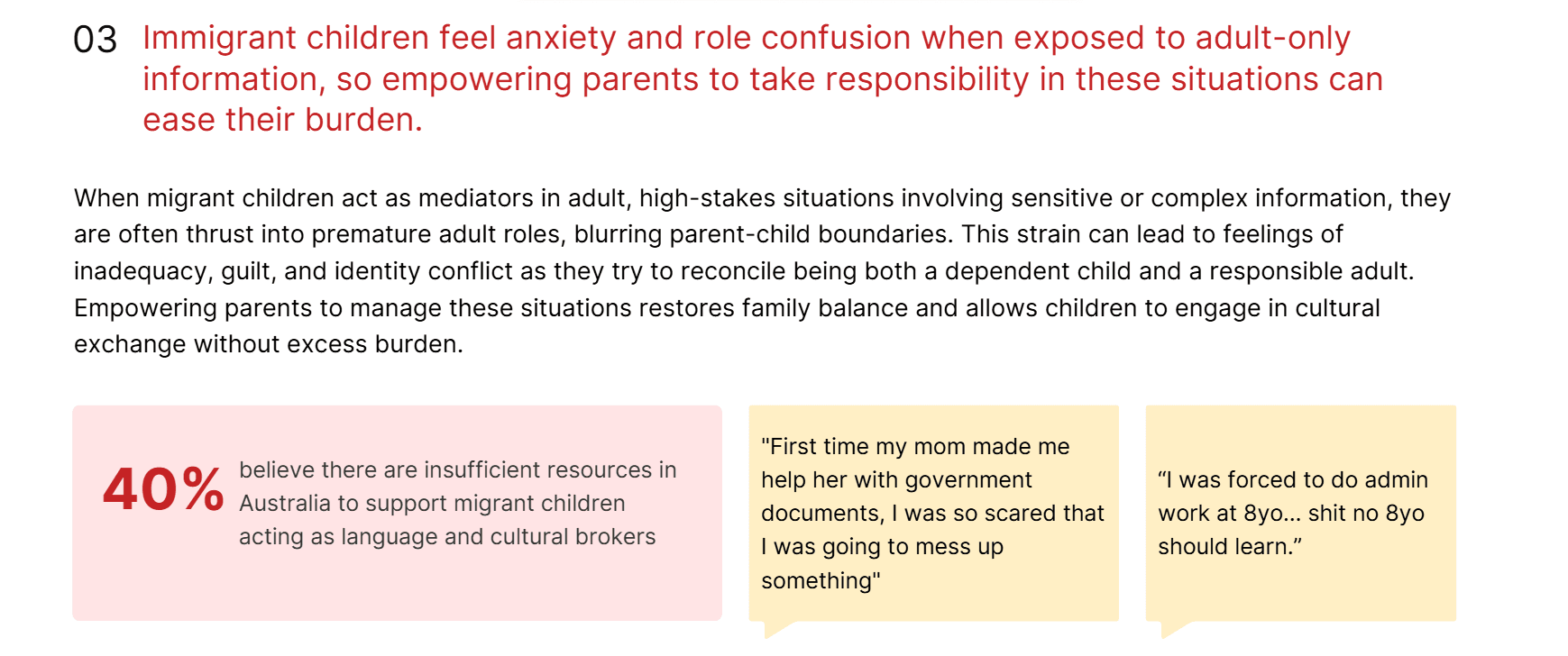
What were out findings?
Define
Problem Statement
Children of immigrant families in Australia grow up navigating two worlds: their heritage at home and the dominant culture outside. As parents struggle with language and systems, children are pushed into adult roles too early, taking on responsibilities like translation, mediation, and navigation.
This role reversal creates an imbalance that strains mental health, weakens family relationships, and risks leaving families disconnected from essential services. This imbalance needs to be addressed by restoring appropriate roles for parents and children.
How Might We
How might we redesign the way children support language and cultural mediation - so they feel proud and connected in everyday moments, while reducing their responsibility in high-stakes adult situations by empowering parents to take charge?
Market Analysis
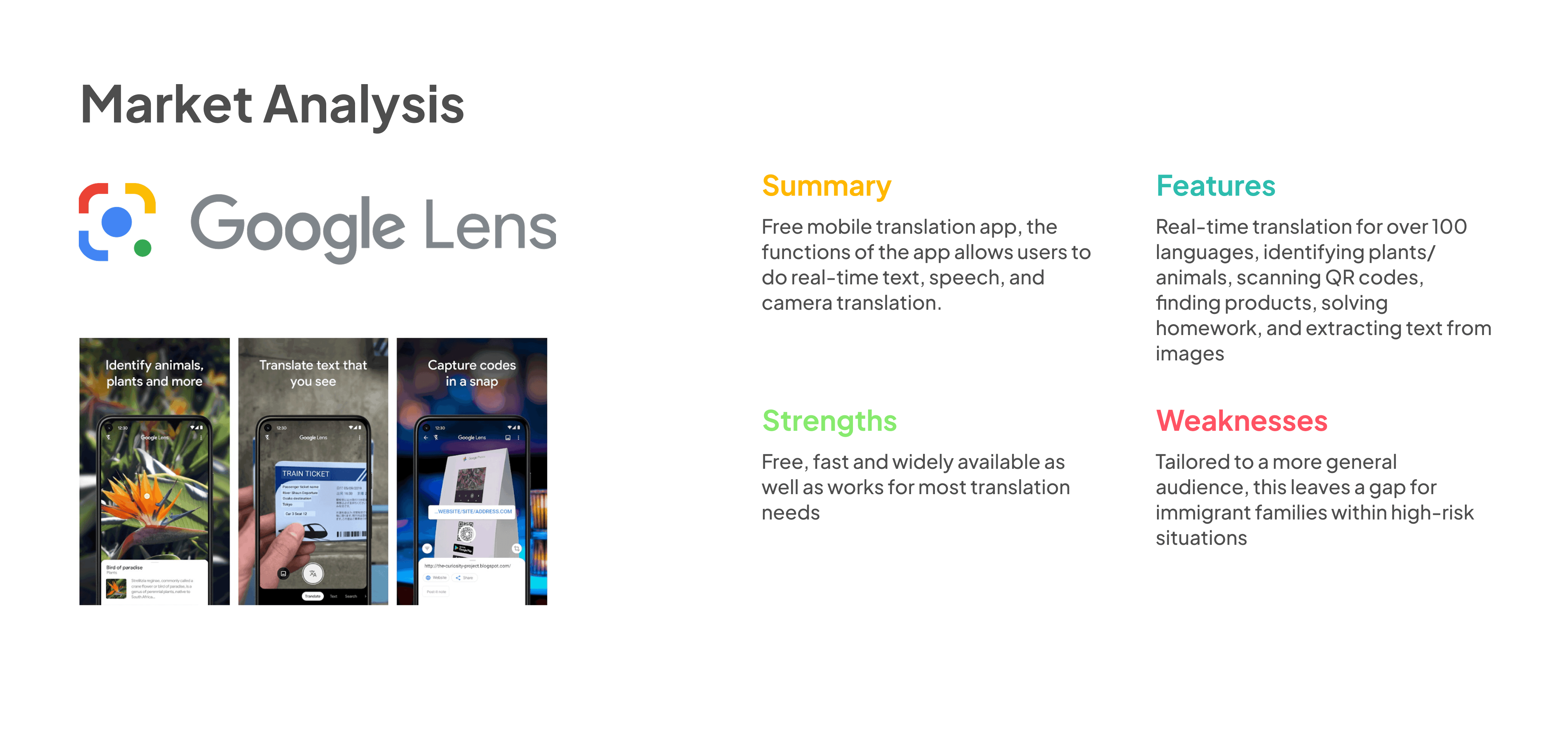
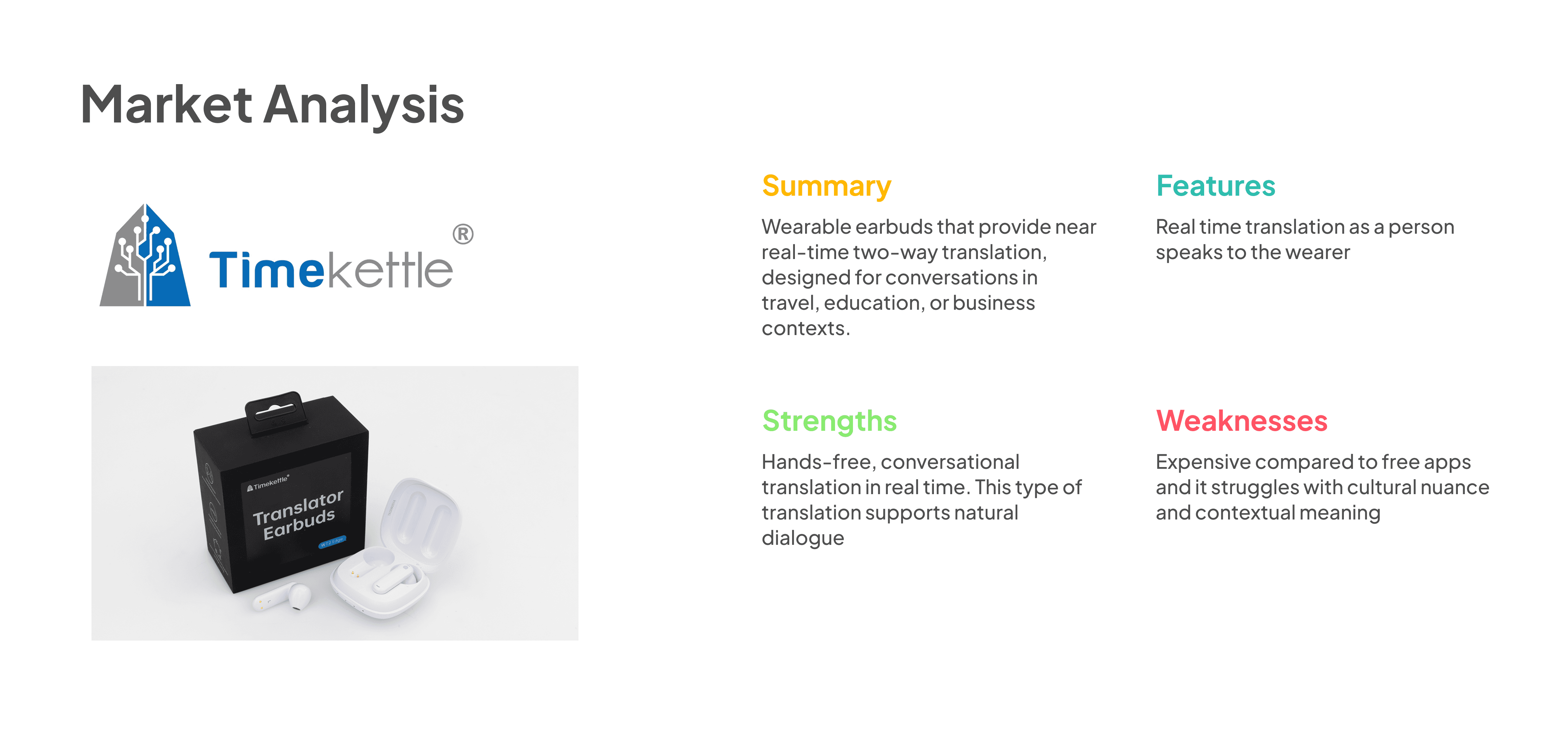
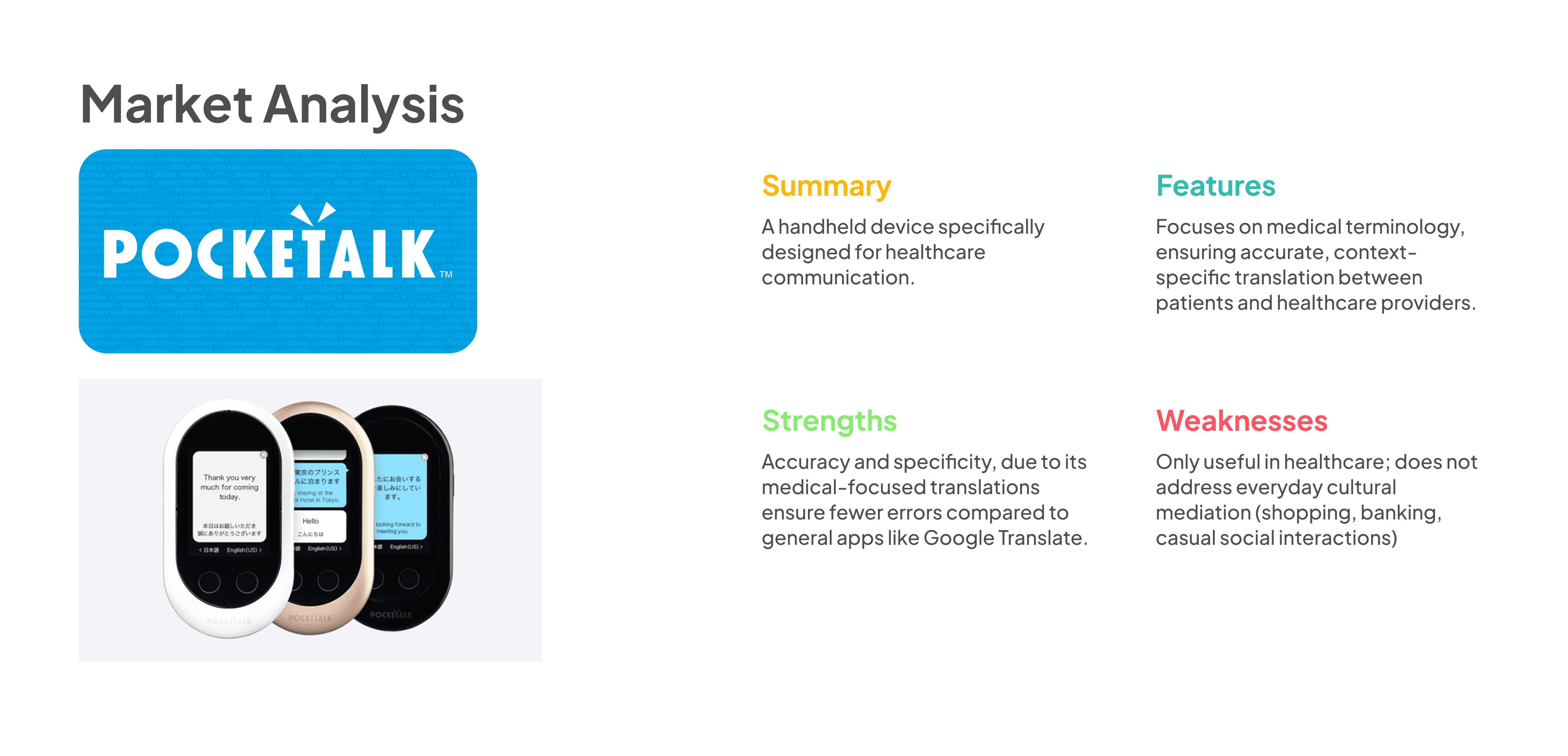
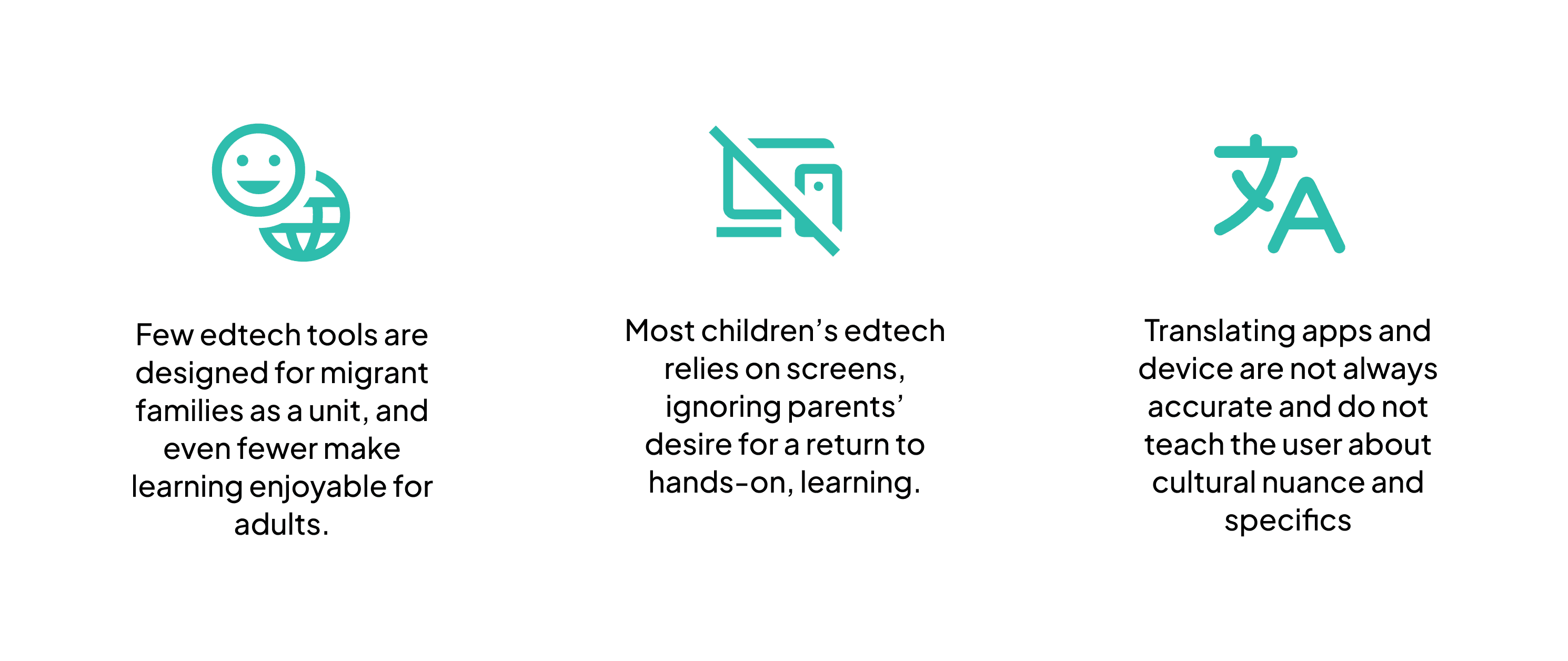
We evaluated different types of existing solutions on the market, which helped us uncover opportunities and gaps for innovation.
Gaps in the Market
Data Synthesis 🖼️
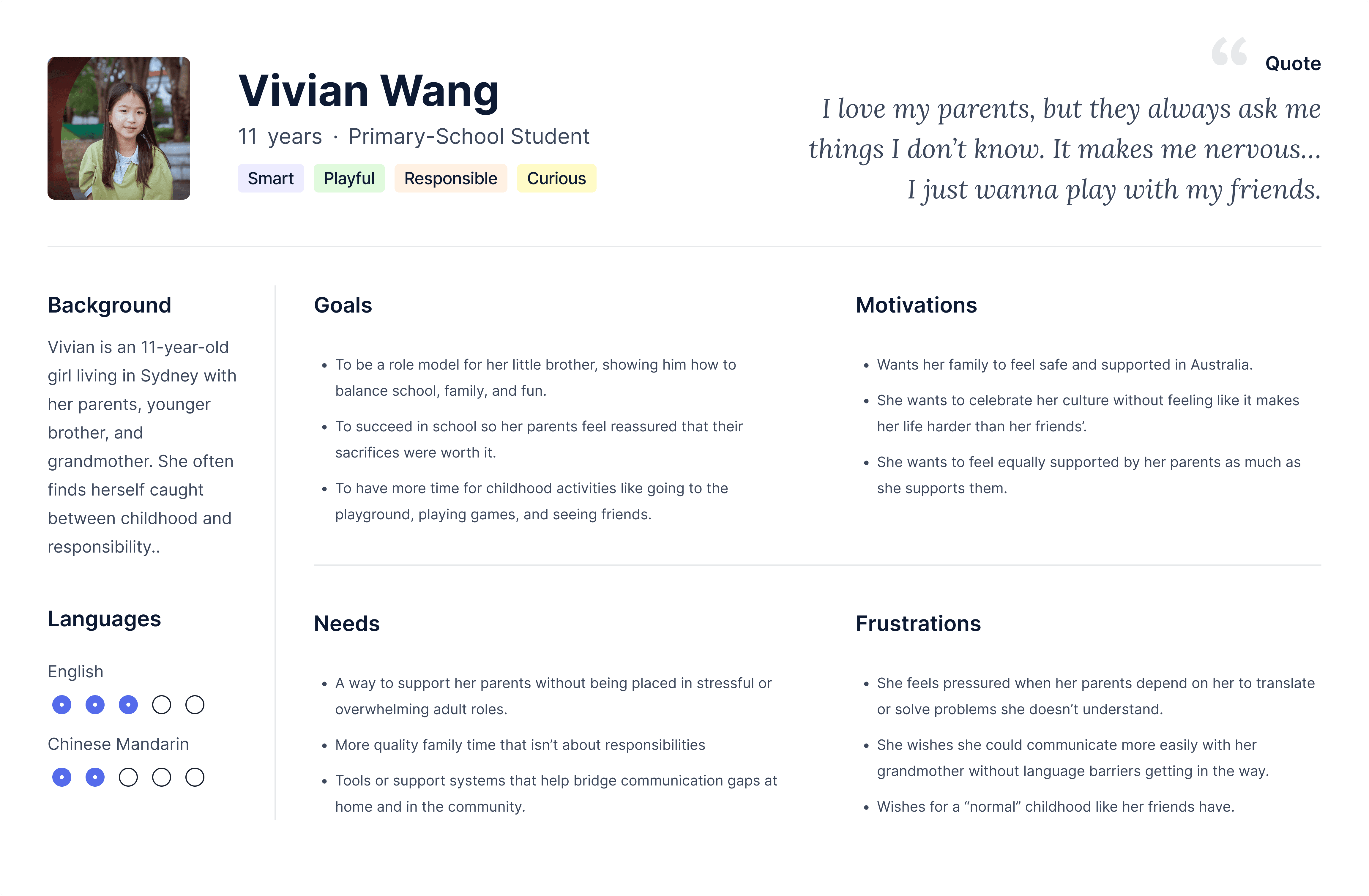
And finally we mapped our target audience's behaviours, challenges, and pain points to design a more impactful and user-centred experience.
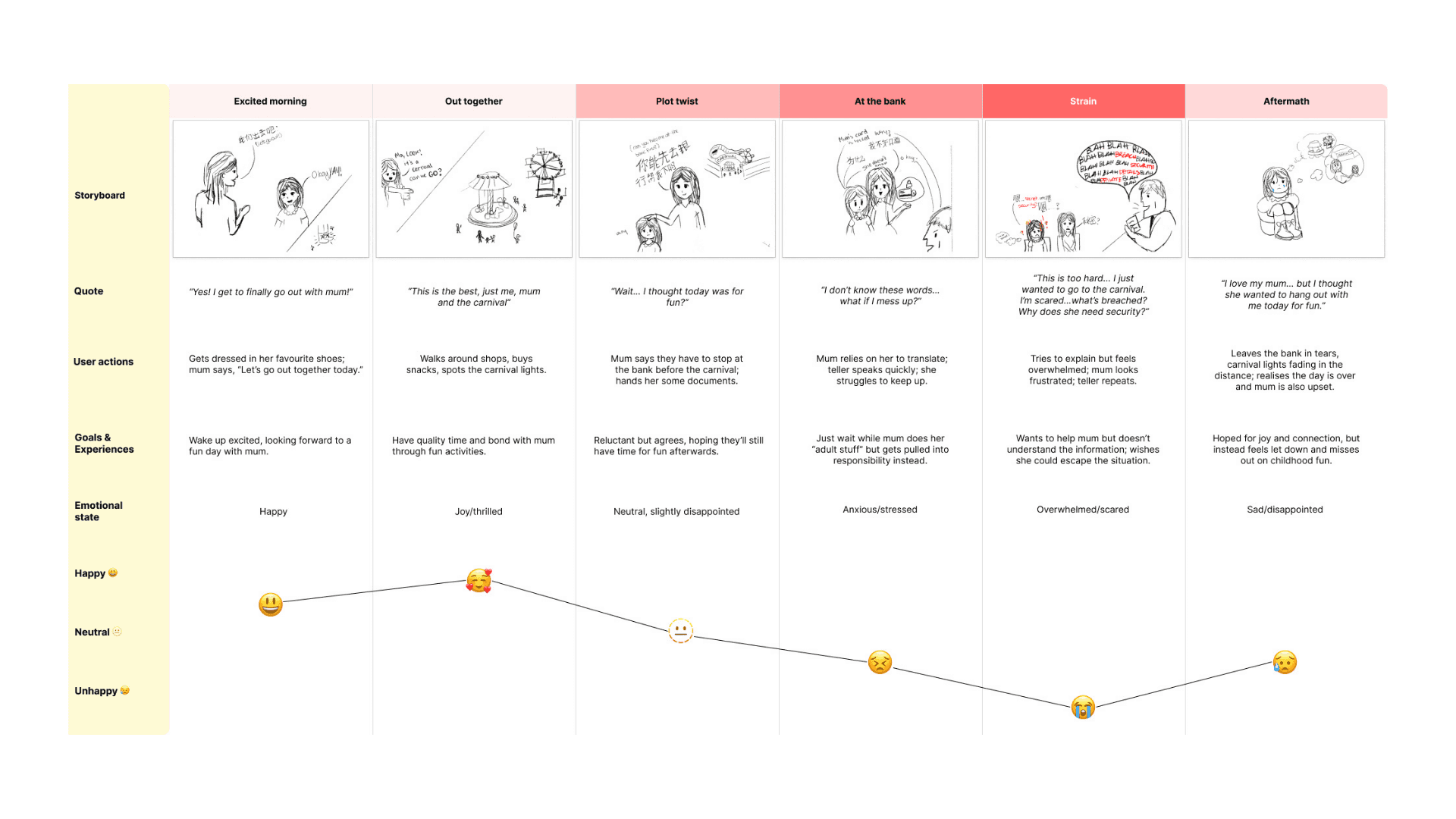
Develop
Ideation time
Going straight into the problem, we conducted three different ideation techniques, sparking a mix of ideas and concepts. The ideas below are some of the stand out picks from each of the different approaches.
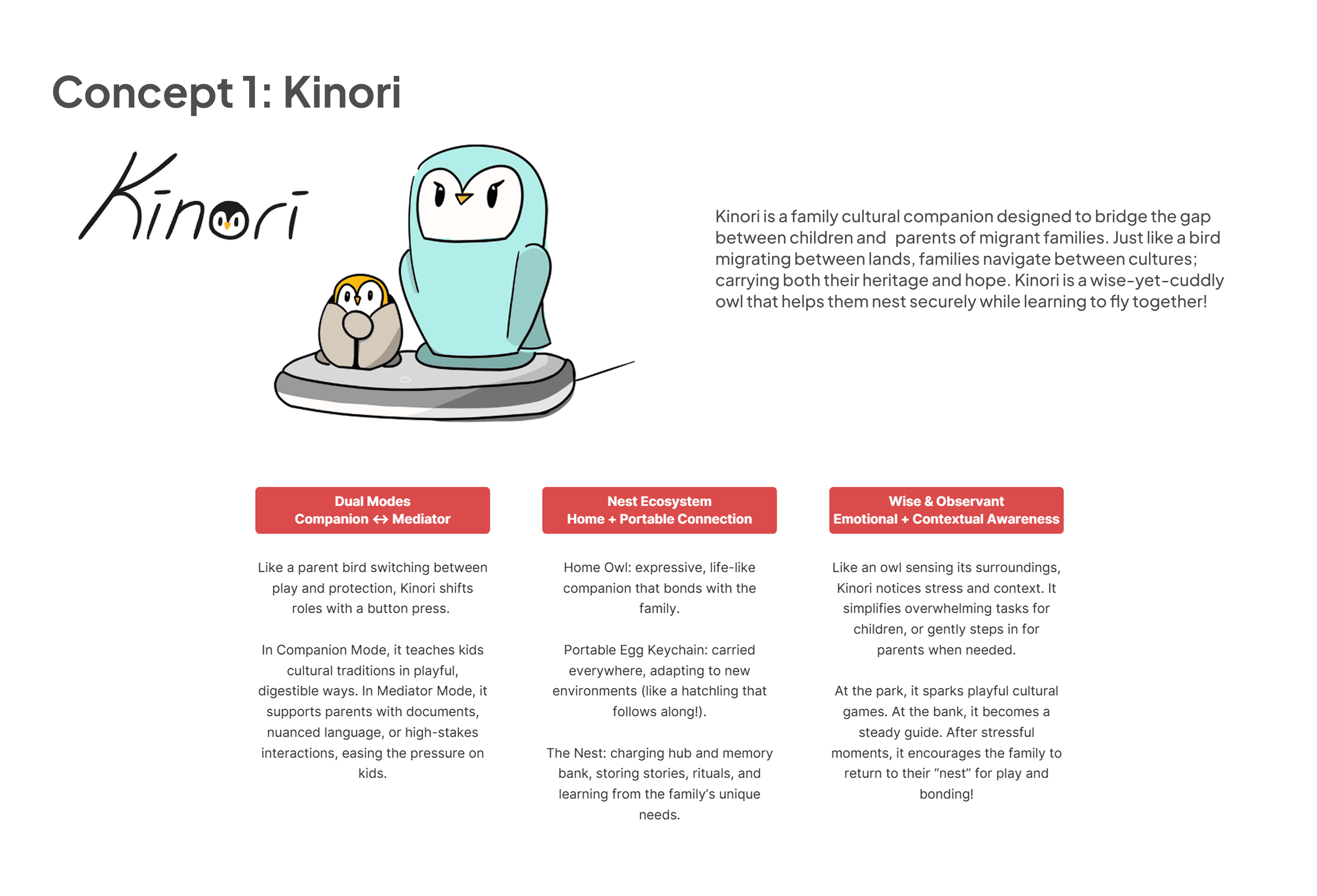
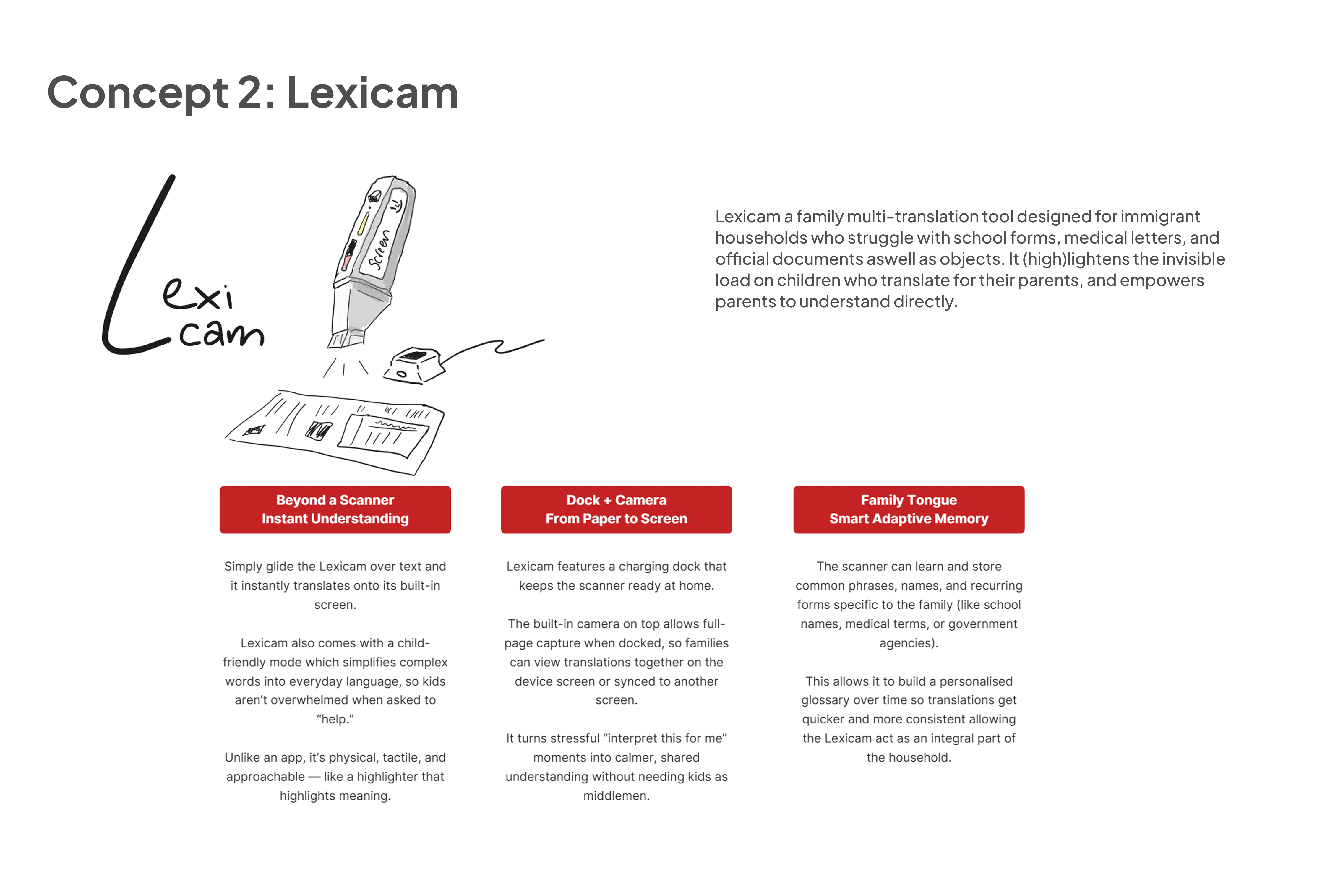
How did we Decide on the Best Idea?
We used a Decision Matrix to assess each concepts based on a range of criteria that was best suited to meet the needs of our problem statement. Among the options, Concept One stood out amongst the rest as a result of its strong alignment to both user needs as well as the product design aspect.
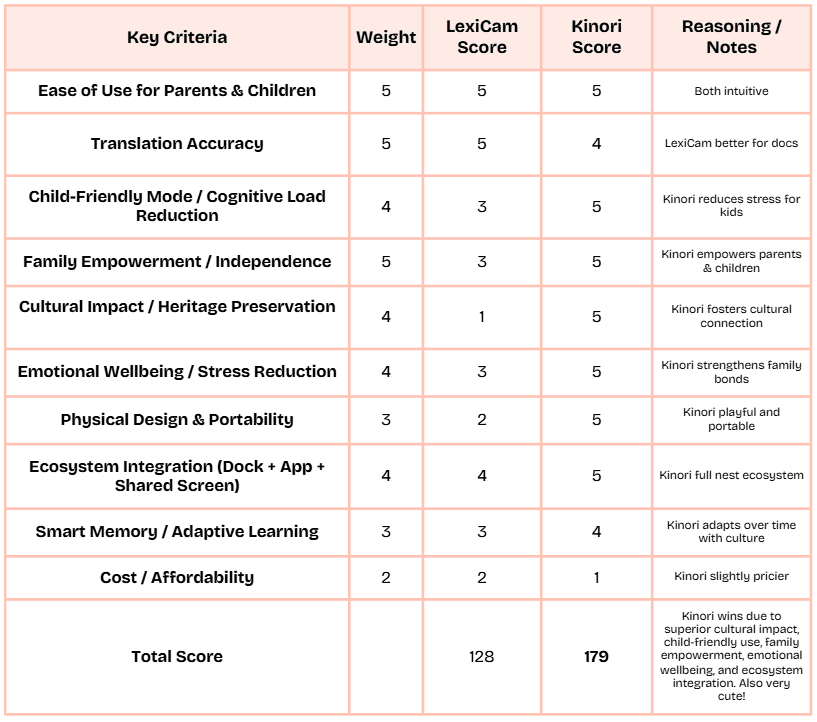
Prototyping
Our team conducted 3 rounds of testing, going from our initial low-fidelity to mid-fidelity and finally to high-fidelity prototypes.
Sketches
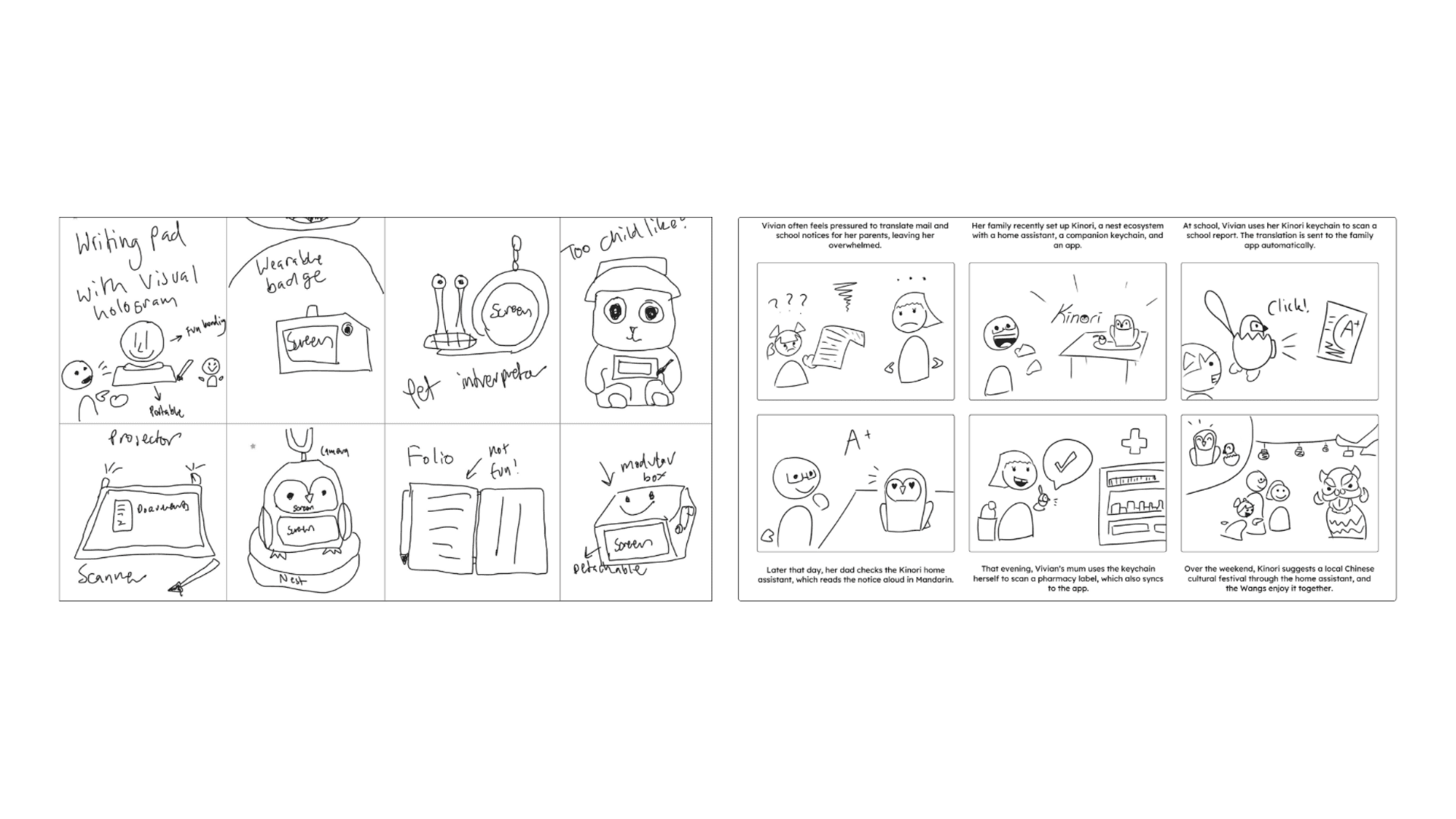
We began our prototyping process for Kinori with concept sketches as well as a storyboards on how the product will be used, this guided us on how we should further develop areas of the prototype through to our mid-fidelity wireframes.
User Flows
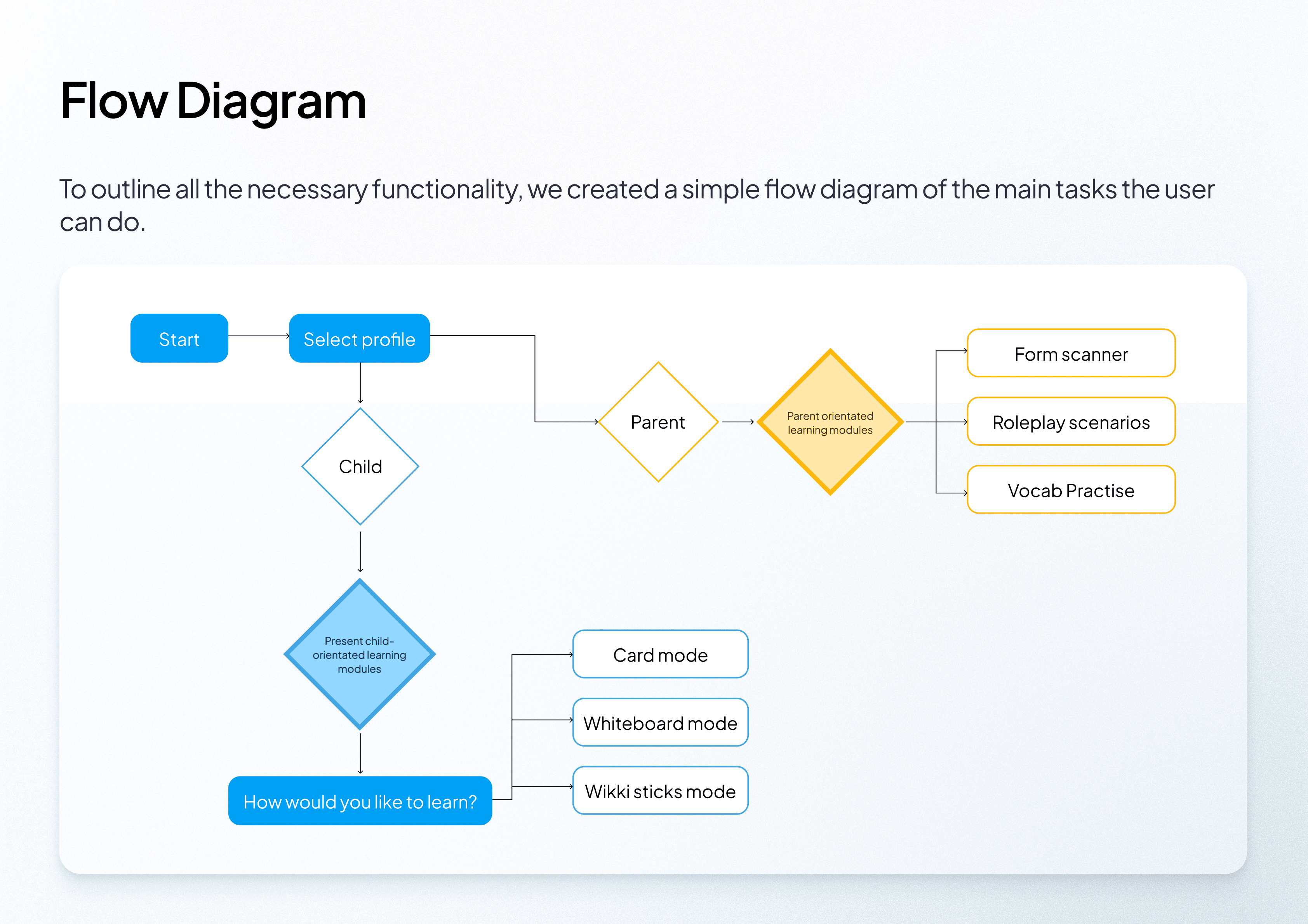
To help us better understand how Kinori would work through its screen-interface, we made user flow diagrams to ensure our designs were purpose-driven and aligned with user needs. To achieve this, we constructed distinct user flows that captured the key interactions and journeys users would take whilst using our prototype.
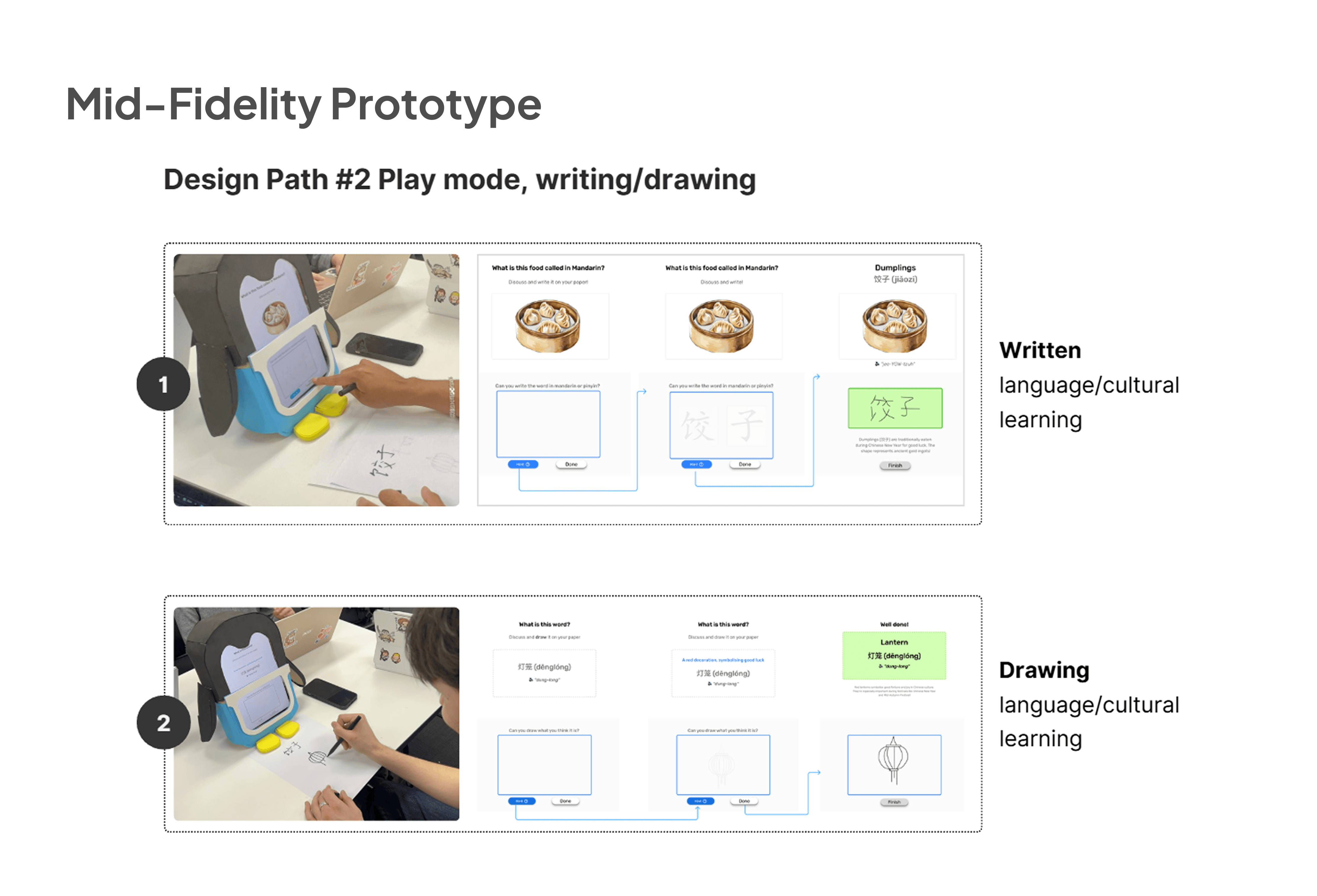
Mid-Fidelity Prototyping
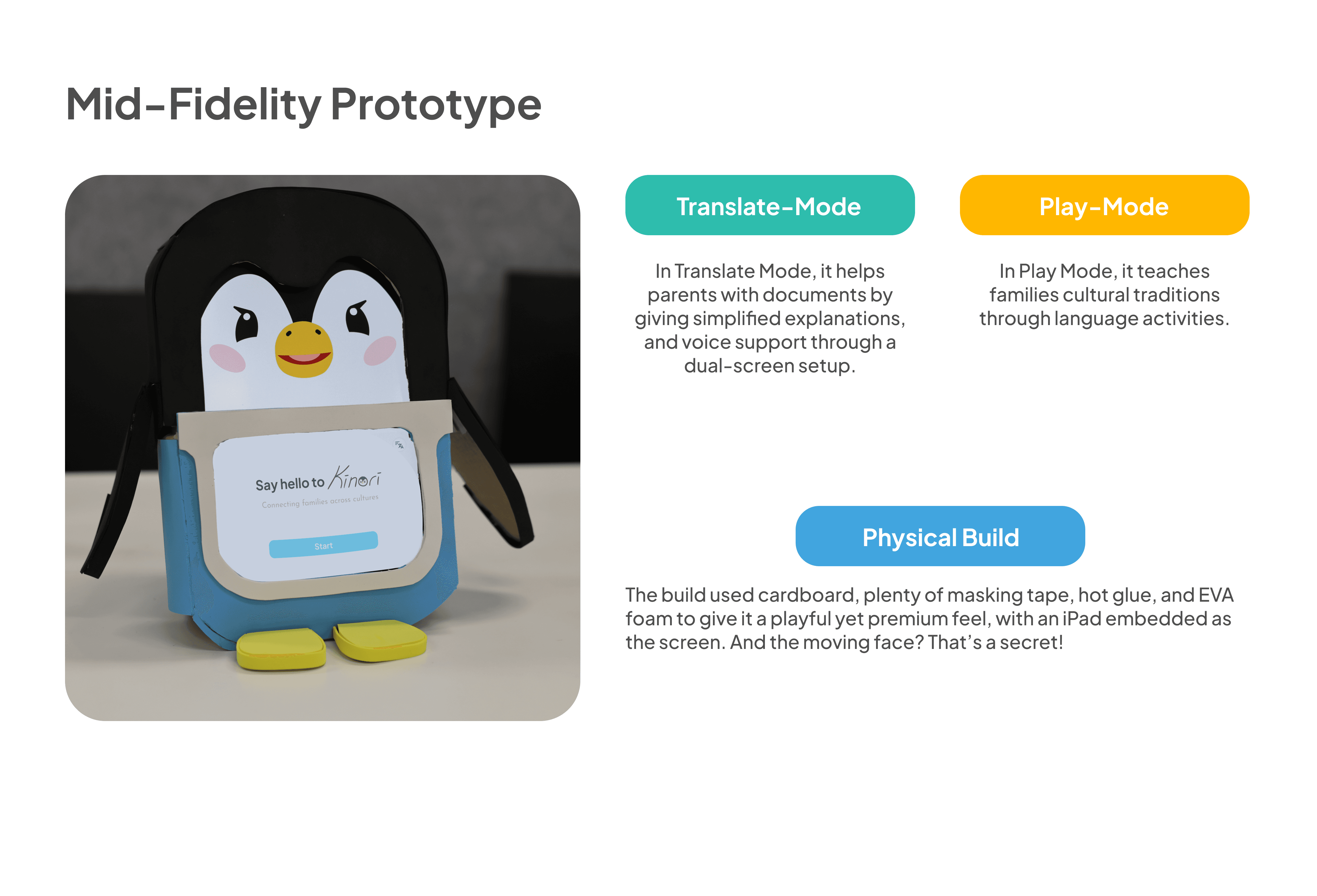
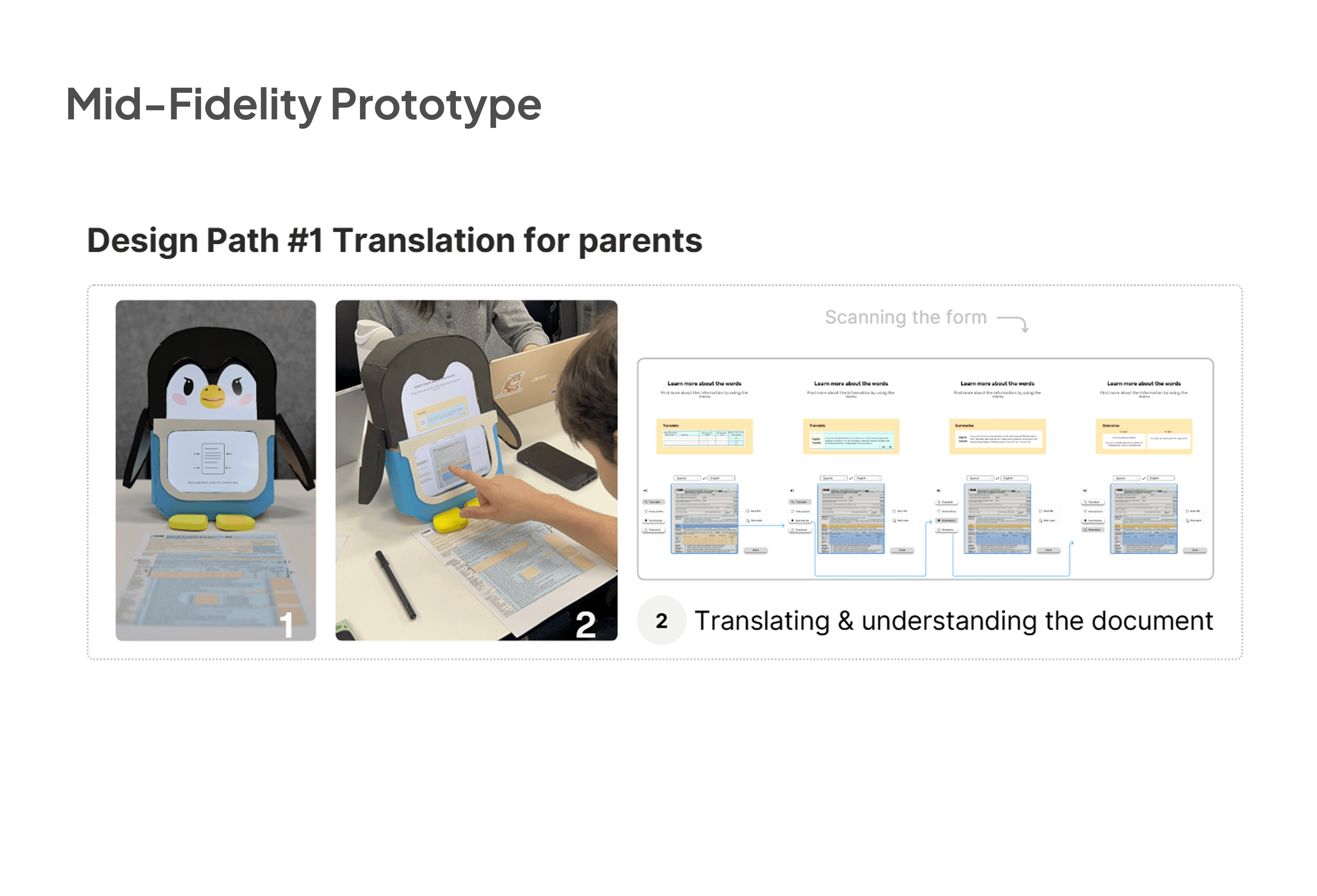
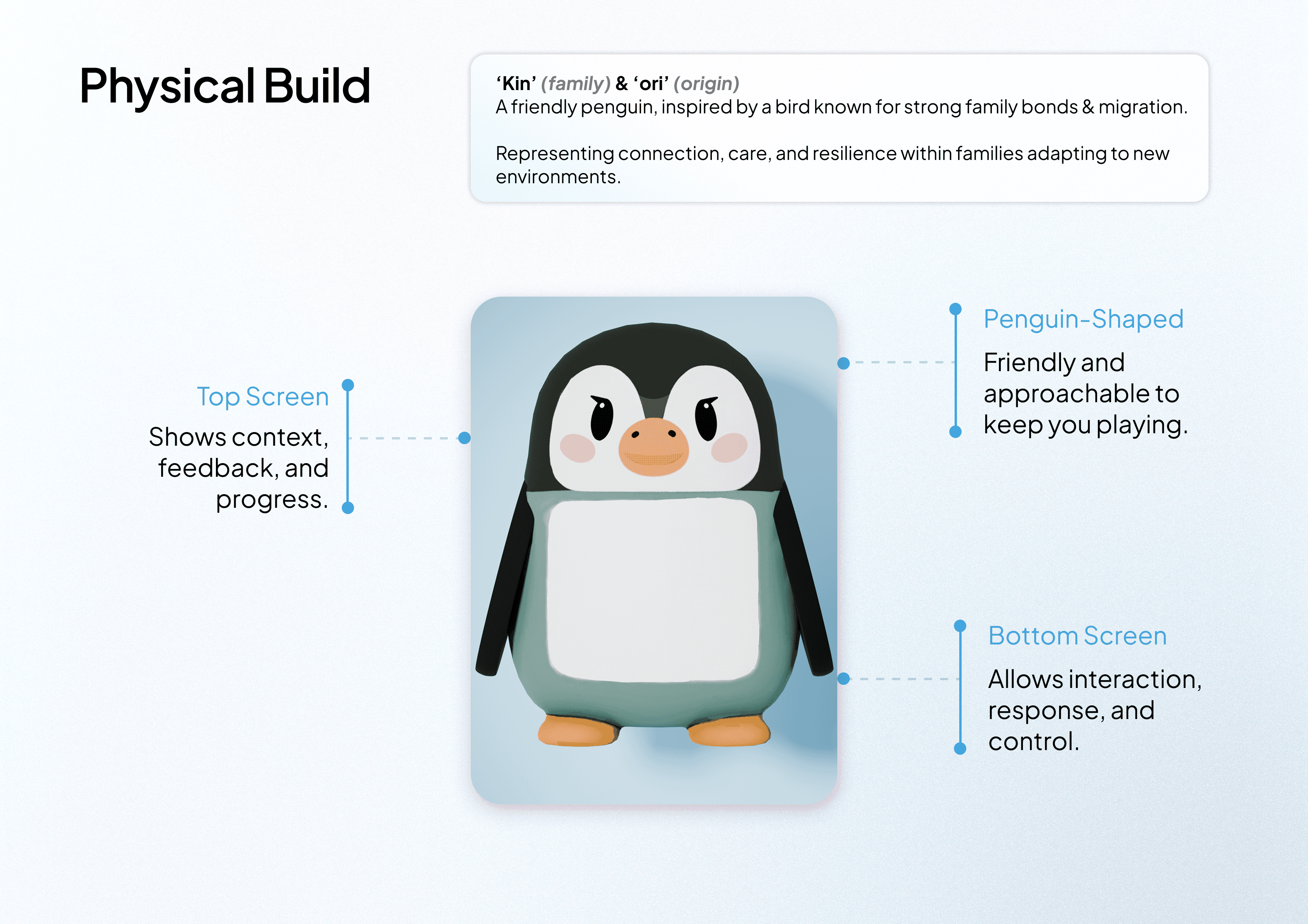
Using Figma and our arts and craft skills, we moved to iterating on a physical product, experimenting with different visual and informational hierarchy as well as the product's overall design. This step allowed us to refine how both the product and the UI pattern could best support these journeys, ultimately leading to the development of a primary user flow that effectively addressed key pain points.
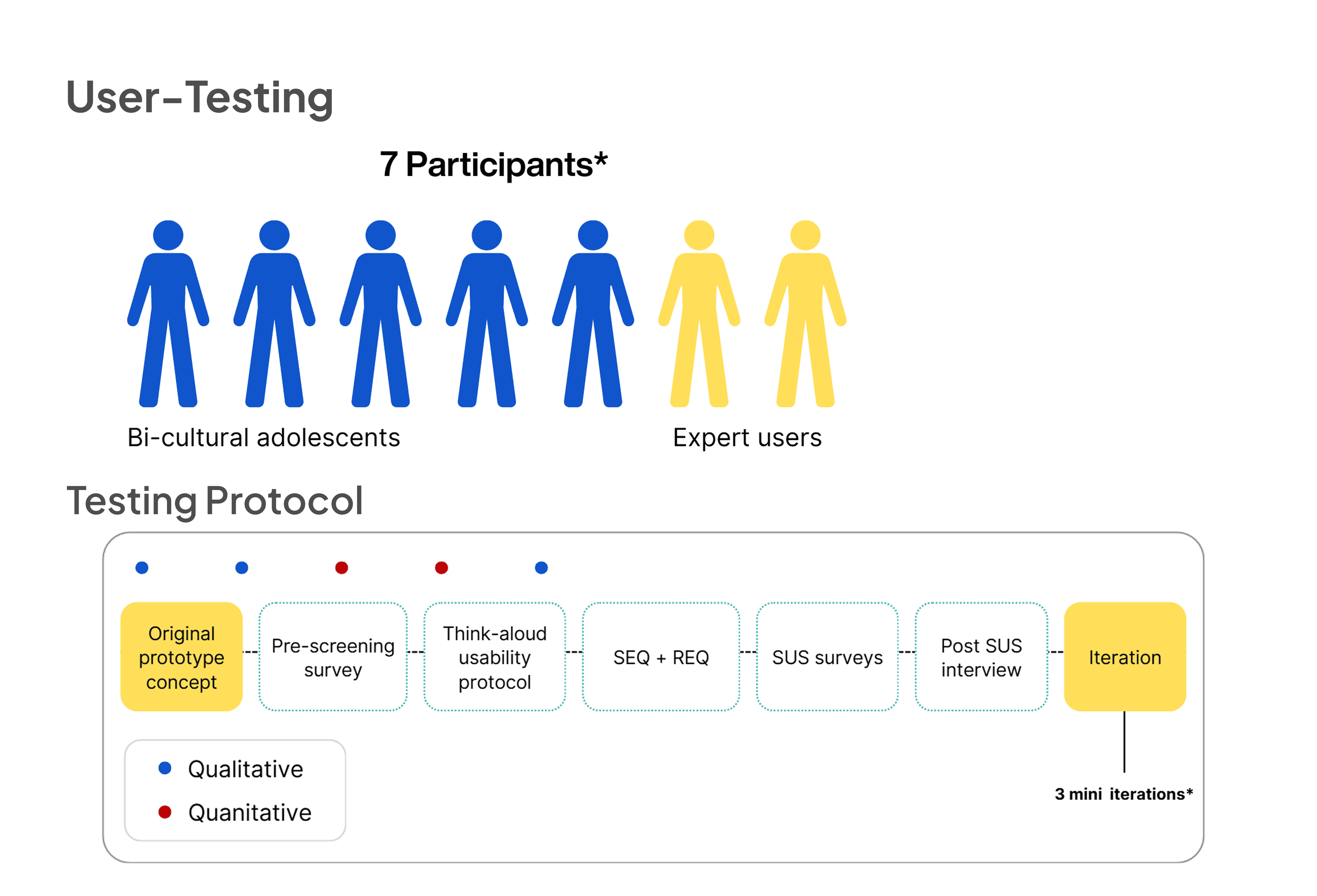
User Testing
After finalising our mid-fidelity prototype it was time to test it, where we sought valuable insights from both participants as well as experts to assess the effectiveness and usability of the design in our problem area. We utilised this testing protocol:
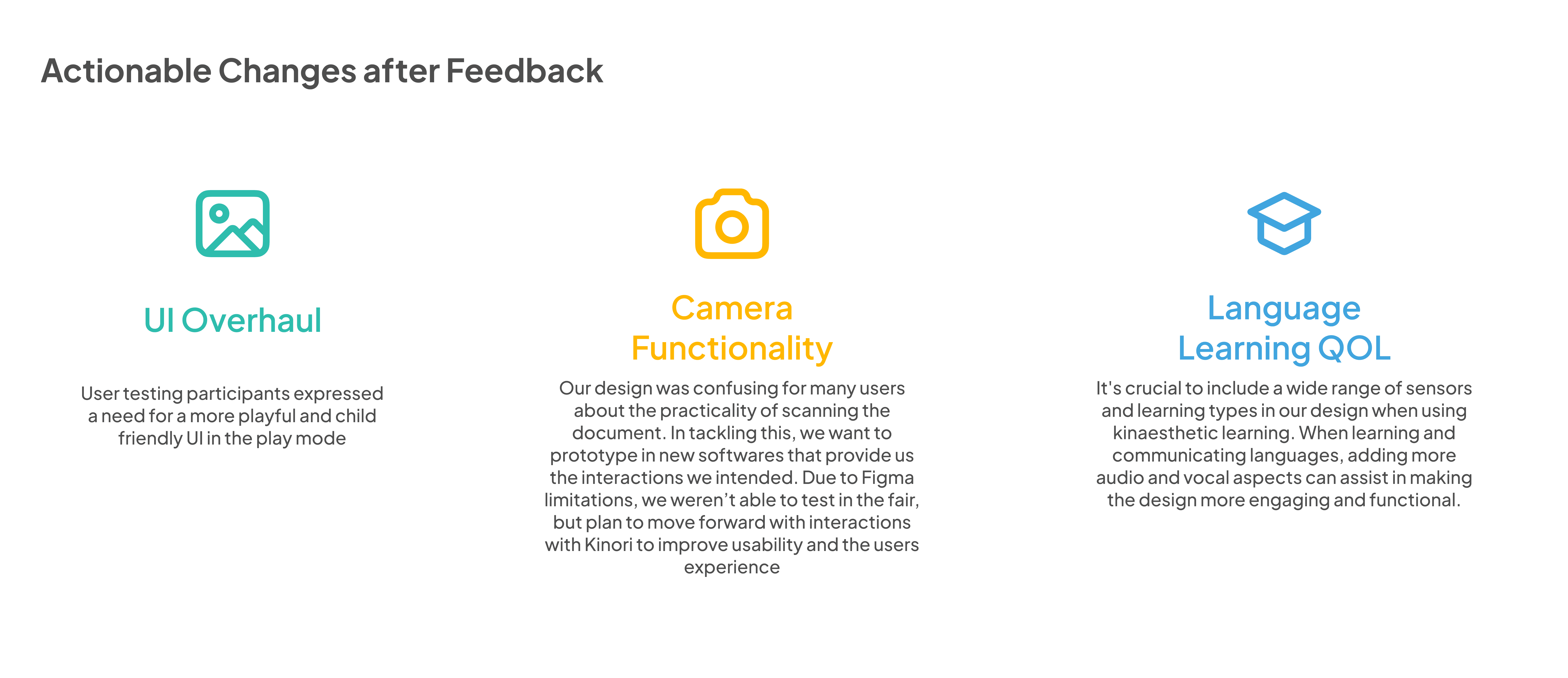
Key Iterations
Final Product
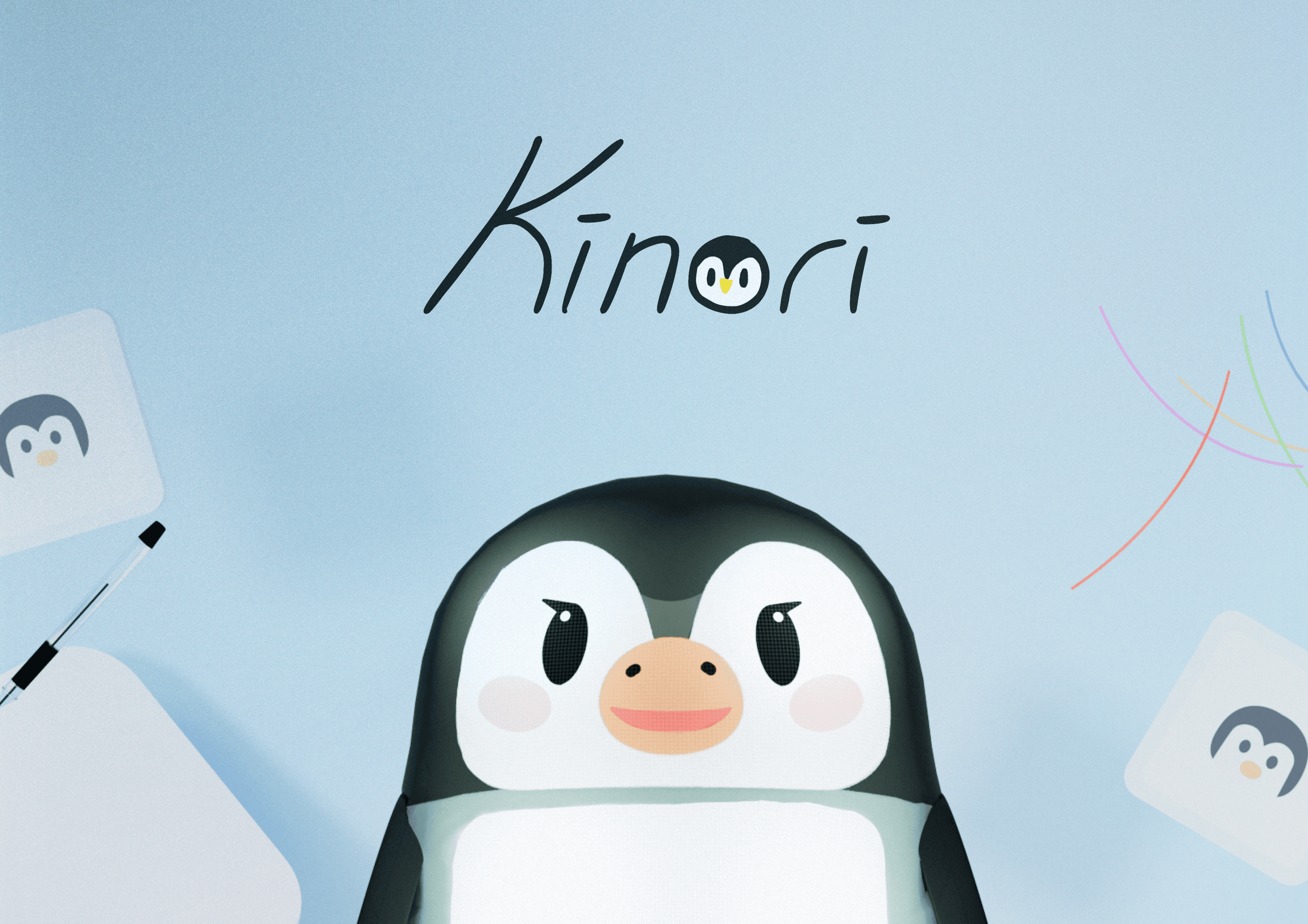
Introducing… Kinori
Kinori helps parents navigate daily life confidently in a new language, relieving children of translation duties and letting them play while connecting with their cultural roots.
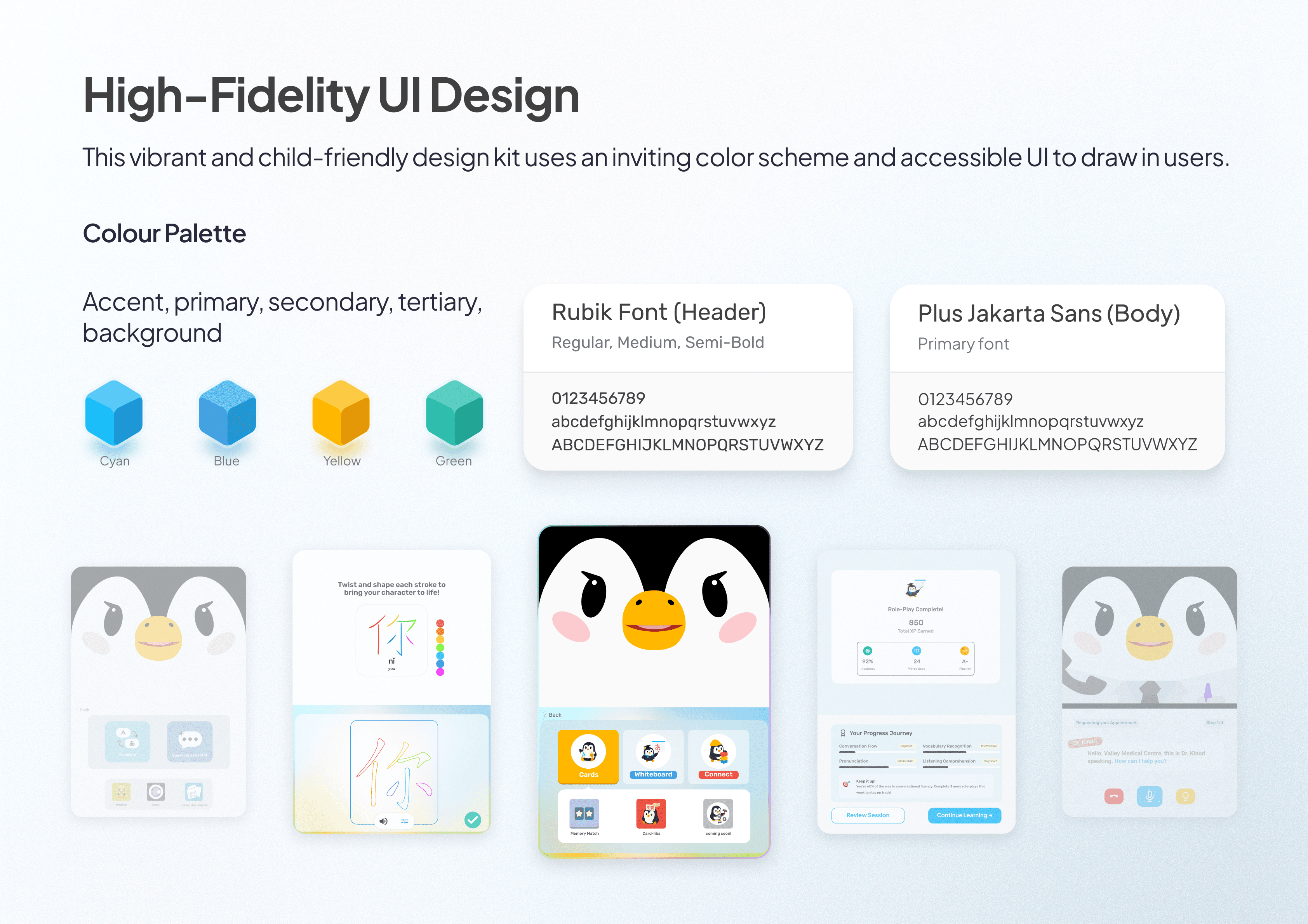
Style Guide
Key Features
Personal Reflection